For years, memory foam mattresses were seen as a breakthrough in sleep technology. They promised pressure relief, body contouring, and better sleep quality. However, in recent years, many consumers and even hospitality buyers have started moving away from traditional memory foam.
So what changed? The shift is not about one single flaw, but a combination of comfort preferences, temperature issues, durability concerns, and the rise of new mattress technologies.
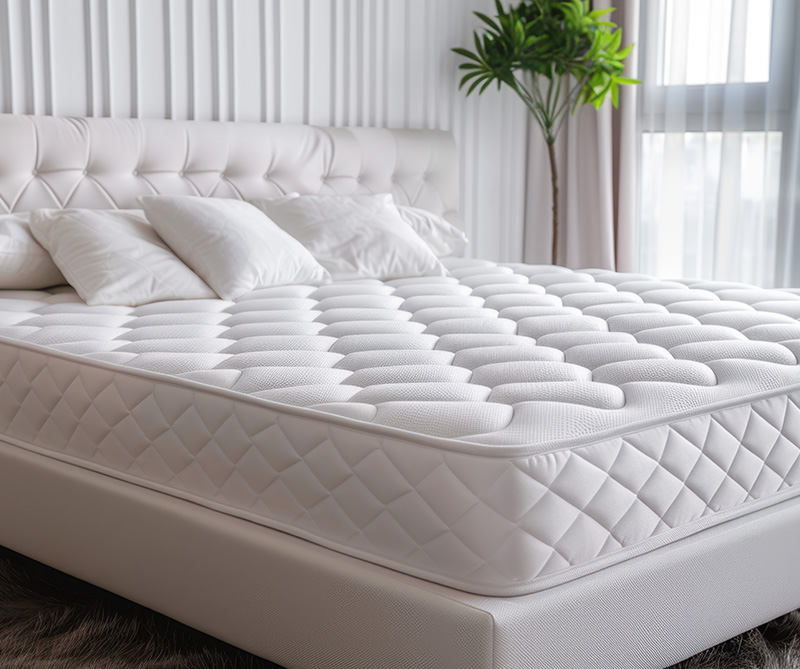
1. Heat Retention: The Biggest Complaints
One of the most common reasons people stop choosing memory foam is heat retention.
Traditional memory foam absorbs body heat and tends to trap it inside the mattress. For many sleepers—especially in warm climates—this leads to:
- Overheating during the night
- Sweating and discomfort
- Frequent sleep interruptions
Although “gel memory foam” and “cooling foam” were introduced to solve this problem, many users still report that the improvement is limited.
2. The “Sinking” Feeling Isn’t for Everyone
Memory foam is designed to contour closely to the body. While this helps reduce pressure points, it can also create a “stuck” or “sinking” sensation.
Some sleepers find this uncomfortable because:
- It is harder to change sleeping positions
- It reduces overall support for heavier individuals
- It can feel restrictive rather than supportive
As a result, many buyers now prefer hybrid or spring-based mattresses that offer more bounce and responsiveness.
3. Durability Issues Over Time
Another concern is long-term durability.
Memory foam mattresses can develop:
- Body impressions (indentations)
- Loss of support after prolonged use
- Uneven surfaces in high-use areas
This is especially important for hotels, apartments, and rental properties, where mattresses need to maintain consistent performance under frequent use.
4. Weak Edge Support
Traditional memory foam often lacks strong edge support. This means the sides of the mattress may compress too easily, reducing usable sleeping space.
For couples or shared beds, this can be a noticeable disadvantage compared to innerspring or hybrid designs that offer reinforced edges.
5. Off-Gassing and Odor Concerns
New memory foam mattresses may release a chemical smell known as “off-gassing.” While usually harmless and temporary, it can be unpleasant for some users, especially in enclosed spaces.
This has made buyers in hospitality and residential projects more cautious when selecting foam-heavy products.
6. Changing Consumer Preferences
Modern consumers are no longer looking only for “softness” or “body contouring.” Instead, they want a balance of:
- Breathability
- Support
- Responsiveness
- Long-term durability
This has led to increased popularity of hybrid mattresses, latex foam alternatives, and improved spring systems.
In short, people are not abandoning comfort—they are redefining it.
7. The Rise of Hybrid and Advanced Mattress Designs
Hybrid mattresses, which combine pocket springs with foam layers, are becoming a preferred choice. They offer:
- Better airflow and cooling
- Stronger support structure
- Improved motion isolation
- Longer lifespan
Latex mattresses are also gaining attention due to their natural elasticity and durability.
Compared to traditional memory foam, these alternatives feel more “balanced” and less restrictive.
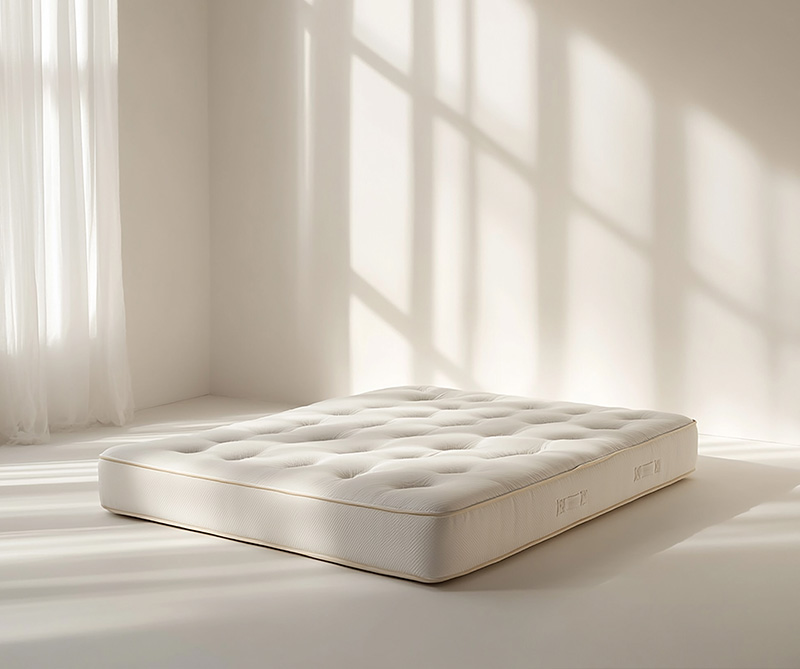
Conclusion: Not Gone, Just Evolving
Memory foam mattresses are not disappearing completely—but their dominance is clearly weakening. What consumers want today is smarter sleep engineering: cooler materials, better support, and longer-lasting performance.
For manufacturers and hospitality buyers, this shift signals an important trend—product development must focus on comfort diversity rather than a one-size-fits-all solution.
Custom Hotel Mattress & Furniture Solutions
For hotels, apartments, and large-scale projects, selecting the right mattress type is critical for guest satisfaction and long-term cost control.
Assomsen Furniture provides custom manufacturing solutions for hotel furniture and bedding systems, offering cost-effective and project-specific designs tailored to different market needs.
For inquiries or customization, please contact Assomsen Furniture at assomsenhotelfurniture@gmail.com.