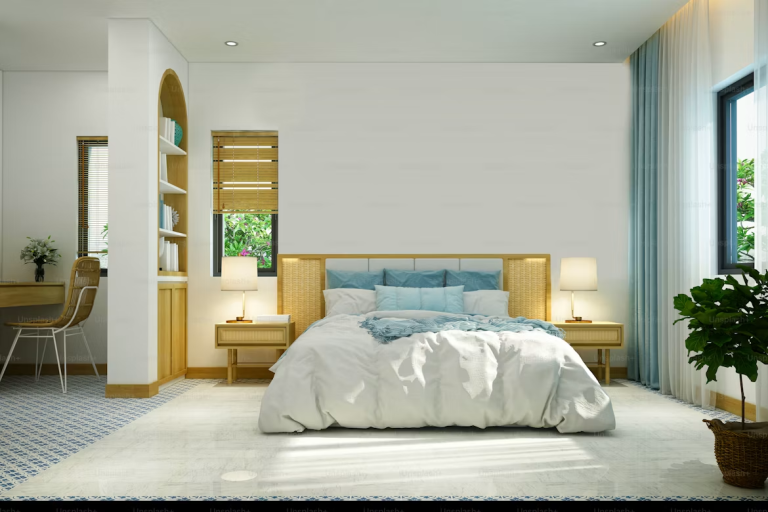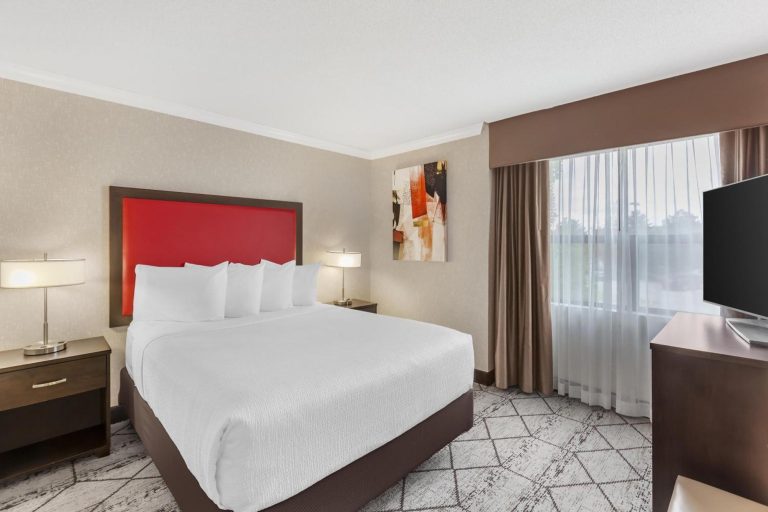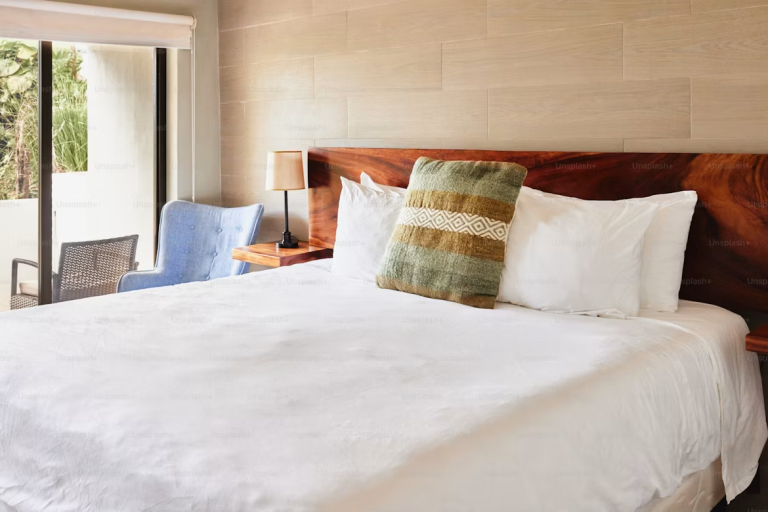
Hotel renovation is no longer only about replacing old furniture, refreshing interiors, or improving appearances. Today’s guests expect hotels to offer memorable experiences, personalized comfort, sustainable solutions, and spaces that feel both functional and inspiring.
For hotel owners, developers, and designers, renovation has become a strategic investment to increase property value, improve guest satisfaction, and stay competitive in a rapidly changing market. From smart guest rooms to flexible furniture solutions, the following hotel renovation ideas will shape hospitality design in 2026.
1. Create More Personalized Guest Room Experiences
In 2026, hotels are moving away from standardized room designs and focusing on personalized guest experiences. Travelers want rooms that feel comfortable, welcoming, and connected to local culture.
Hotel renovations can include:
- Customized furniture layouts for different guest types
- Flexible work and relaxation areas
- Personalized lighting systems
- Multifunctional furniture designs
- Local-inspired decorative elements
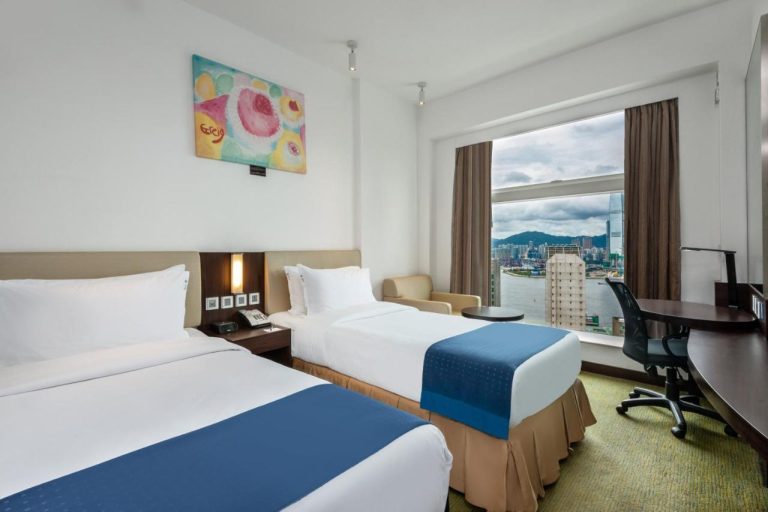
For example, a business hotel may create a guest room with a compact workstation, ergonomic chair, and smart storage solutions, while a resort hotel may focus on relaxation areas with comfortable lounge furniture and natural materials.
Custom hotel furniture plays an important role in achieving these goals. Working with an experienced hotel furniture supplier allows hotels to create unique room designs that match their brand identity.
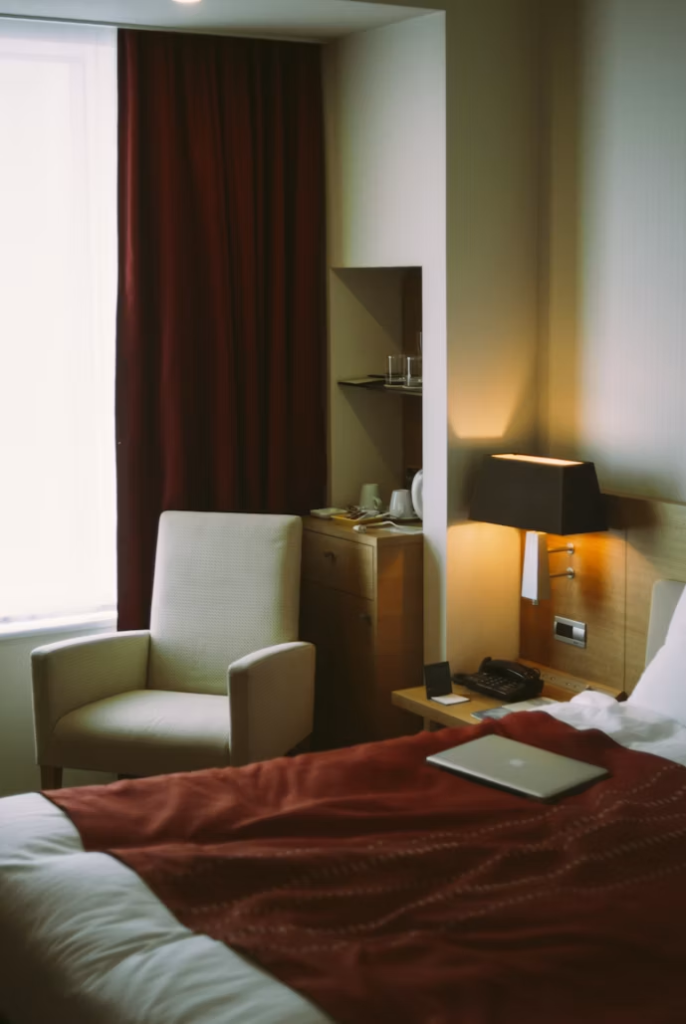
2. Upgrade Hotel Rooms with Multifunctional Furniture
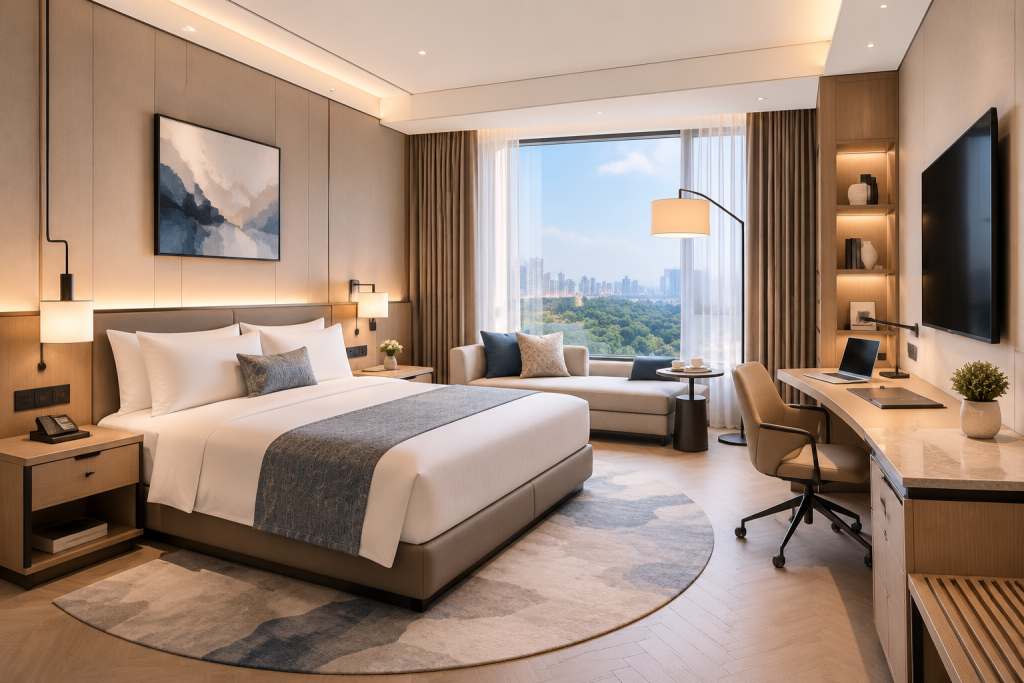
Space optimization will remain a major focus for hotel renovations in 2026. As guest expectations change, traditional room layouts are being replaced with more flexible designs.
Multifunctional furniture can help hotels maximize available space while improving guest comfort.
Popular renovation ideas include:
- Beds with integrated storage
- Modular wardrobes
- Foldable desks
- Compact bedside tables
- Convertible sofas
- Flexible seating areas
For boutique hotels and urban properties where space is limited, smart furniture solutions can create a premium guest experience without increasing room size.
3. Bring Nature Indoors with Biophilic Design
Biophilic design will continue to influence hotel renovation projects in 2026. Hotels are increasingly using natural materials, organic textures, plants, and warm colors to create relaxing environments.
Key renovation elements include:
- Wood finishes and natural textures
- Indoor plants and green walls
- Stone and fabric accents
- Large windows and natural lighting
- Earth-tone color palettes
These design choices help create a stronger emotional connection between guests and the hotel environment.
For furniture selection, materials such as wood veneer, sustainable panels, and natural fabric finishes can help achieve a warm and comfortable atmosphere.

4. Focus on Sustainable Hotel Renovation
Sustainability is becoming a core consideration in hotel renovation projects. Instead of simply replacing everything, many hotels are choosing renovation strategies that reduce waste and improve long-term efficiency.
Sustainable renovation ideas include:
- Using durable furniture materials
- Choosing environmentally responsible suppliers
- Reducing construction waste
- Selecting energy-efficient lighting
- Reusing existing structures where possible
When selecting hotel furniture, durability is especially important. High-quality furniture reduces replacement frequency and helps hotels lower long-term operating costs.
5. Design Wellness-Focused Hotel Spaces
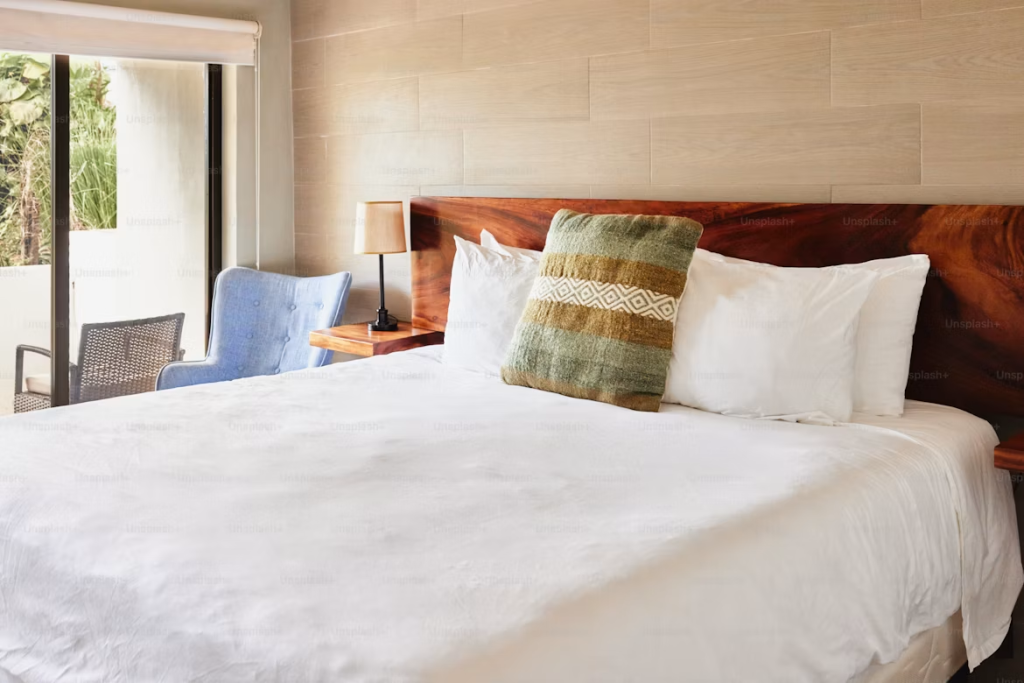
Wellness has become a key factor influencing hotel design. Guests increasingly look for spaces that support relaxation, better sleep, and overall well-being.
Hotels can incorporate wellness concepts through:
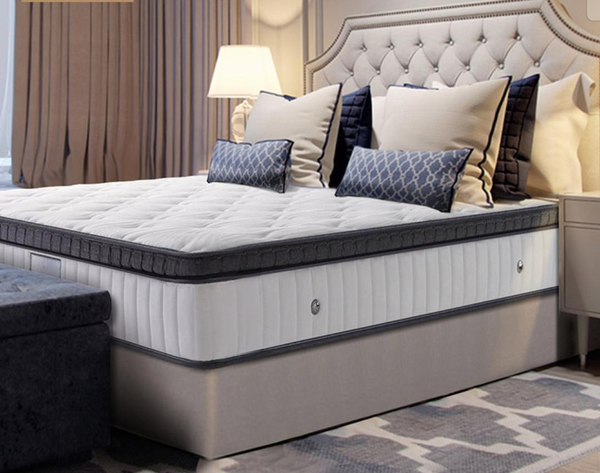
- Comfortable beds and premium mattresses
- Quiet room layouts
- Relaxing lighting designs
- Spa-inspired bathrooms
- Meditation or relaxation areas
Furniture also contributes significantly to wellness. Ergonomic chairs, comfortable lounge seating, and thoughtfully designed bedroom furniture can improve the overall guest experience.
6. Modernize Hotel Lobbies into Social Spaces
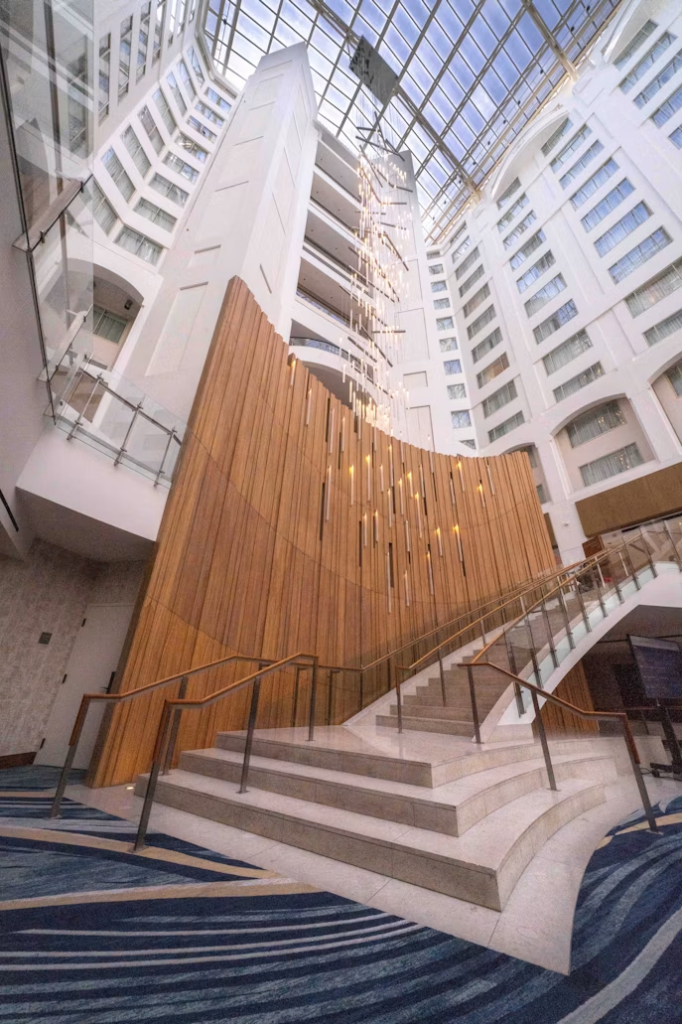
Hotel lobbies are evolving from simple reception areas into multifunctional social hubs.
In 2026, renovated lobbies may include:
- Comfortable lounge seating
- Coffee and coworking areas
- Flexible meeting spaces
- Local art displays
- Restaurant and bar integration
The goal is to create spaces where guests can work, socialize, relax, and experience the hotel’s unique personality.
Custom furniture solutions allow hotels to design lobby areas that balance aesthetics, durability, and functionality.
7. Add Smart Technology to Guest Rooms
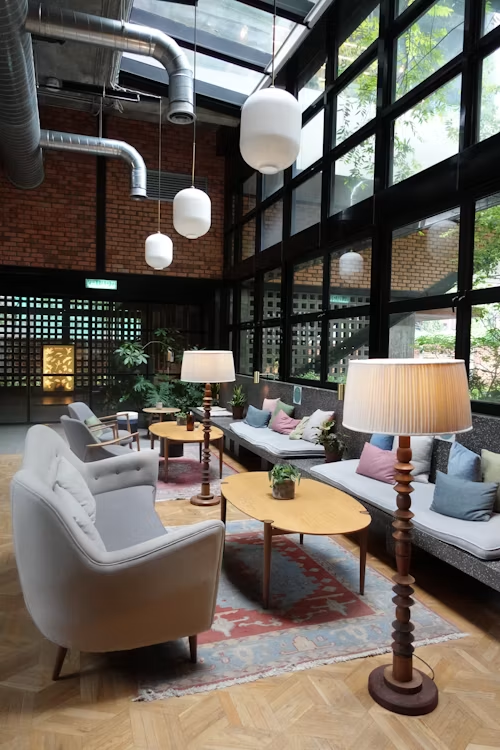
Technology integration is another important direction for hotel renovation projects.
Smart hotel rooms can improve convenience through:
- Automated lighting controls
- Smart temperature adjustment
- Digital check-in systems
- Voice-controlled room features
- Integrated charging solutions
However, technology should support—not replace—the human experience. The best hotel designs combine digital convenience with comfortable, welcoming interiors.
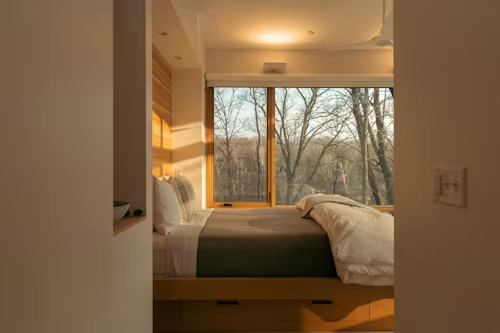
8. Use Statement Furniture to Strengthen Brand Identity
Furniture is one of the most visible elements of hotel interiors. In 2026, hotels will increasingly use custom furniture pieces to create memorable visual identities.
Examples include:
- Unique headboard designs
- Custom bedside tables
- Signature lobby sofas
- Special reception counters
- Customized wardrobes
For hotels competing in luxury and boutique markets, furniture is not just functional—it becomes part of the brand story.
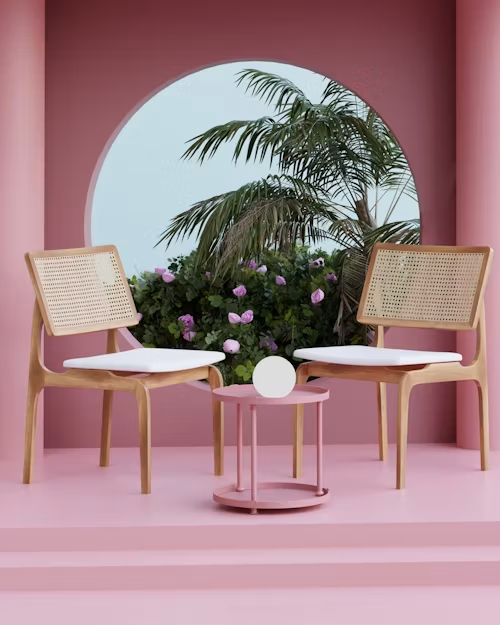
9. Refresh Hotels with Warm and Timeless Interior Styles
While trends change quickly, hotels need renovation designs that remain attractive for many years.
In 2026, many properties are moving toward:
- Warm neutral colors
- Natural wood tones
- Soft fabrics
- Layered lighting
- Classic contemporary styles
A timeless interior reduces the need for frequent renovation and helps maintain consistent brand quality.
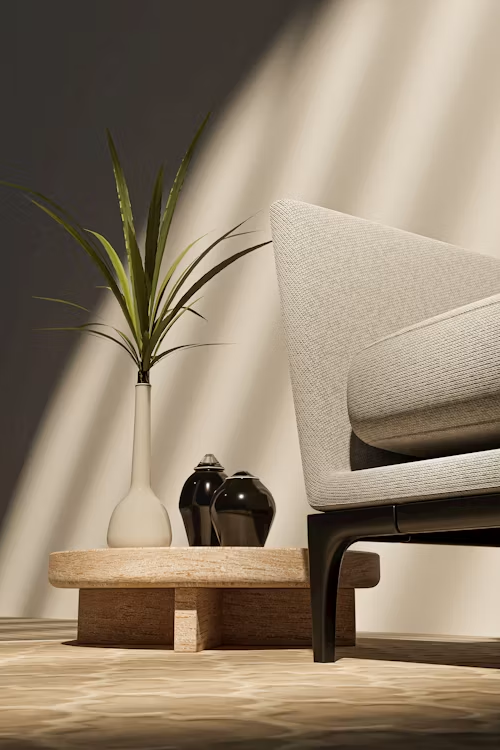
10. Choose the Right Hotel Furniture Supplier
Successful hotel renovation depends not only on design ideas but also on reliable manufacturing and supply partners.
A professional hotel furniture supplier should provide:
- Custom design capabilities
- Project-based manufacturing experience
- Quality control systems
- Flexible production capacity
- International shipping support
- Installation guidance
For large-scale hotel renovation projects, choosing an experienced supplier can significantly improve project efficiency and ensure consistent quality.
Assomsen Furniture specializes in customized hotel furniture solutions, providing bedroom furniture, public area furniture, and complete FF&E solutions for hospitality projects worldwide. For inquiries, please contact assomsenhotelfurniture@gmail.com.
Final Thoughts
Hotel renovation trends in 2026 focus on creating meaningful guest experiences through smart design, sustainability, personalization, and high-quality furniture solutions.
Whether upgrading a boutique hotel, resort, or international hotel chain, owners should look beyond simple decoration updates. A successful renovation combines beautiful interiors with practical functionality, durable materials, and furniture designed for long-term performance.
With the right renovation strategy and a trusted hotel furniture partner, hotels can create spaces that attract guests, strengthen brand value, and remain competitive for years to come.