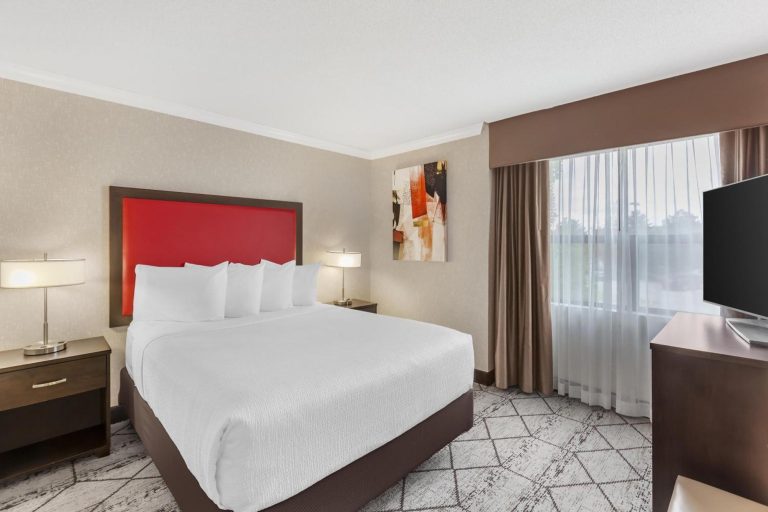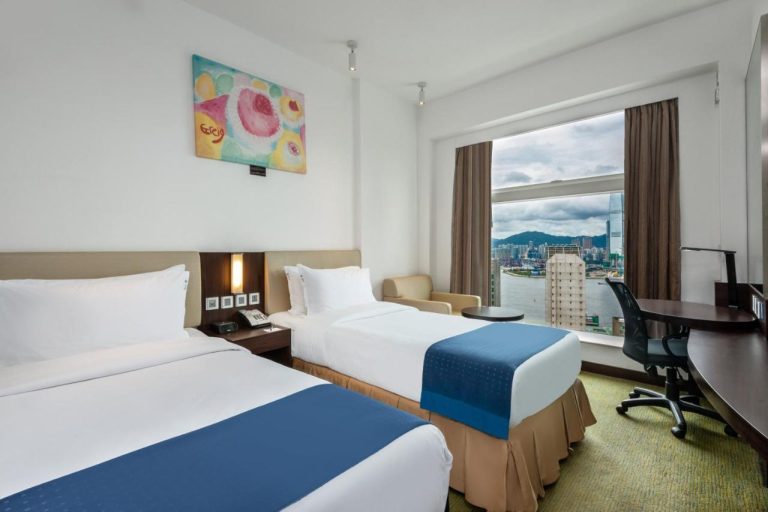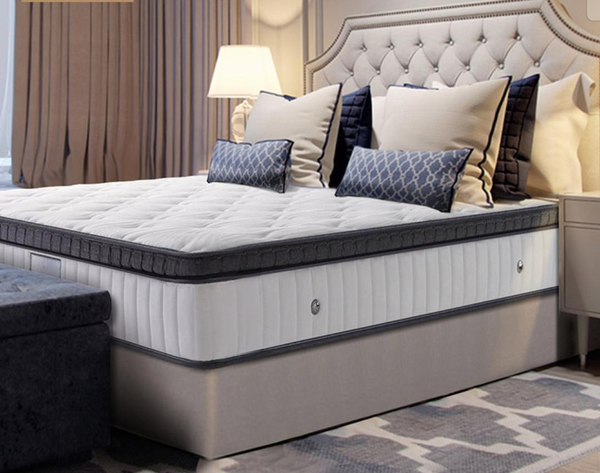
A hotel guest room is the most important space where guests experience comfort, design, and service quality. As guest expectations continue to evolve, many hotels are renovating their rooms to improve functionality, upgrade aesthetics, and create more memorable stays.
Whether you are renovating a boutique hotel, resort, apartment hotel, or large hospitality property, careful planning is essential. This Hotel Guest Room Renovation Guide covers the key steps and considerations for a successful renovation project.
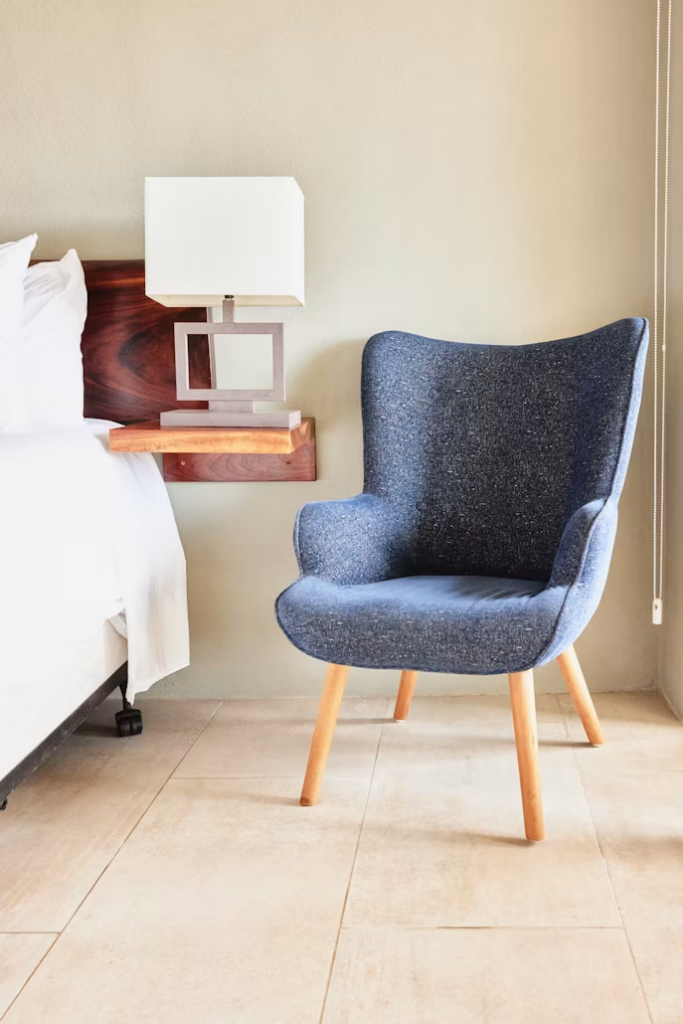
1. Evaluate the Current Guest Room Condition
Before starting a renovation, conduct a complete assessment of the existing rooms. Identify areas that need improvement, including:
- Furniture condition and layout
- Flooring and wall finishes
- Lighting performance
- Bathroom facilities
- Storage capacity
- Electrical and technology requirements
- Overall guest comfort
Understanding current problems helps hotel owners develop a renovation plan that improves both appearance and functionality.
2. Define the Renovation Goals
Every hotel renovation project has different objectives. Some hotels may focus on refreshing outdated interiors, while others aim to reposition their brand and attract a new customer group.
Common renovation goals include:
- Improving guest comfort
- Creating a modern interior style
- Increasing room functionality
- Enhancing energy efficiency
- Updating furniture and fixtures
- Strengthening brand identity
A clear renovation strategy helps control costs and ensures every design decision supports the hotel’s business goals.
3. Upgrade Hotel Guest Room Furniture
Furniture plays a major role in guest room design. Old, damaged, or uncomfortable furniture can negatively affect guest satisfaction.
During renovation, consider replacing key furniture pieces such as:
- Hotel beds and headboards
- Bedside tables
- Wardrobes and closets
- Desks and chairs
- Luggage benches
- TV cabinets
- Coffee tables
Custom hotel furniture allows designers to maximize room space while matching the hotel’s interior concept. Different materials, finishes, colors, and dimensions can be selected to create a unique guest experience.
4. Create a Functional Room Layout
A successful guest room renovation is not only about appearance. The layout should support the way modern travelers use hotel rooms.
Important design considerations include:
Sleeping Area
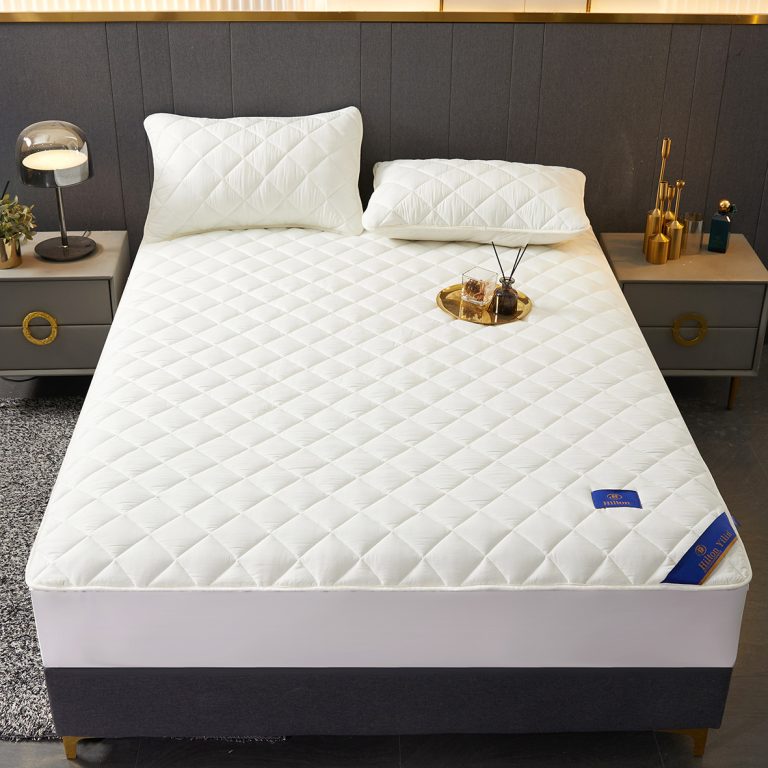
A comfortable bed with quality mattress support, practical bedside storage, and convenient lighting creates a relaxing environment.
Working Area
With more guests working remotely, many hotels are adding functional desks, ergonomic chairs, and sufficient power outlets.
Storage Area
Smart wardrobes, luggage storage solutions, and organized spaces help guests feel comfortable during longer stays.
Relaxation Area
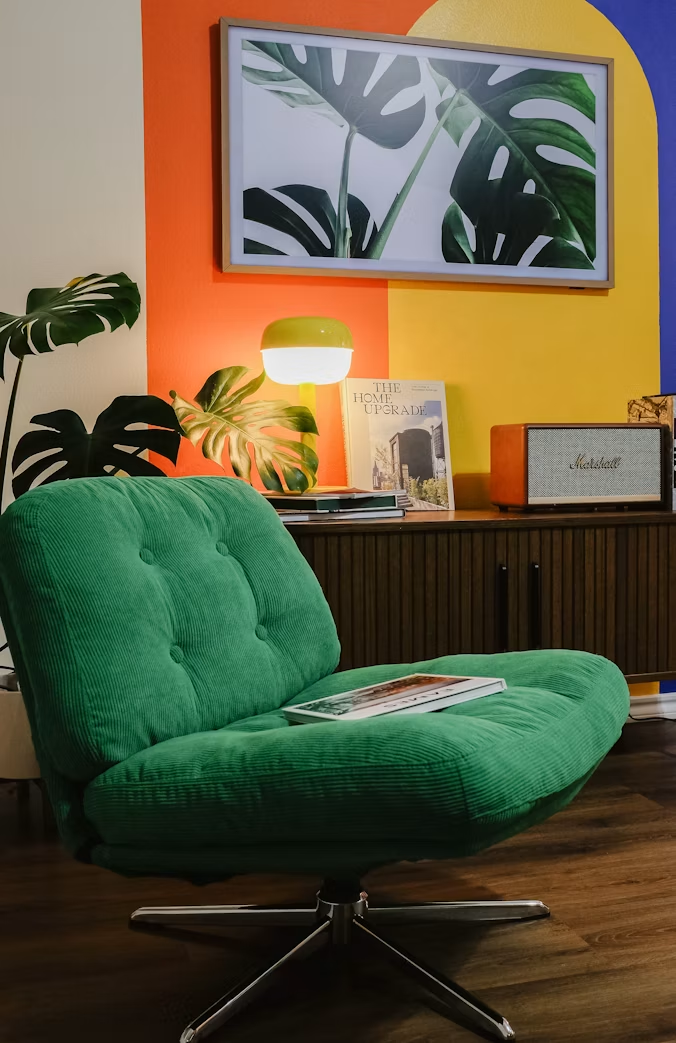
Small seating areas, lounge chairs, or coffee tables can improve the overall guest experience.
5. Improve Lighting Design
Lighting has a significant impact on room atmosphere. A combination of different lighting layers can make guest rooms more comfortable and visually appealing.
Consider:
- Warm bedside lighting for relaxation
- Adjustable task lighting for work areas
- Accent lighting for decorative features
- Energy-efficient LED solutions
Well-designed lighting can make a room feel larger, warmer, and more welcoming.
6. Choose Durable and Sustainable Materials
Hotel rooms experience heavy daily use, so renovation materials must balance aesthetics and durability.
Popular choices include:
- High-quality wood finishes
- Decorative wall panels
- Durable flooring materials
- Easy-maintenance surfaces
- Eco-friendly furniture materials
Selecting reliable materials reduces maintenance costs and extends the lifespan of the renovation investment.
7. Add Smart Hotel Room Features
Technology is becoming an important part of modern hotel experiences. Many renovated guest rooms now include:
- Smart lighting controls
- Keyless entry systems
- USB charging stations
- Smart TVs
- Automated curtains
- Temperature control systems
These features improve convenience and help hotels meet the expectations of today’s travelers.
8. Consider Brand Identity and Interior Style
A guest room should reflect the hotel’s positioning and target market.
Luxury hotels may focus on premium materials, elegant finishes, and personalized details. Business hotels may prioritize efficiency and functionality. Boutique hotels often use unique designs to create memorable experiences.
Consistent use of colors, furniture styles, and decorative elements helps strengthen brand recognition.
9. Plan the Renovation Budget Carefully
Hotel room renovation costs vary depending on project size, materials, labor, and design requirements.
A renovation budget should include:
- Design and planning costs
- Furniture replacement
- Construction work
- Lighting and electrical upgrades
- Materials and finishes
- Installation costs
- Unexpected expenses
Working with experienced suppliers can help hotels control costs while maintaining quality.
10. Work with a Professional Hotel Furniture Supplier
Choosing the right furniture partner is an important step in any guest room renovation project. A professional hotel furniture manufacturer can provide:
- Custom furniture design
- Project-based production
- Quality control
- Material recommendations
- Flexible customization options
- Complete hospitality furniture solutions

Conclusion
A successful hotel guest room renovation combines thoughtful design, functional planning, durable materials, and guest-focused solutions. By upgrading furniture, improving layouts, integrating technology, and creating a welcoming atmosphere, hotels can enhance guest satisfaction and increase long-term value.
For hotels planning a renovation project, investing in high-quality custom furniture is an effective way to create stylish, comfortable, and practical guest rooms.
Assomsen Furniture specializes in custom hotel furniture solutions for hotels, resorts, apartments, and hospitality projects. From guest room beds and wardrobes to complete furniture packages, Assomsen helps clients create modern and comfortable hospitality spaces.
Contact Assomsen Furniture
Email: assomsenhotelfurniture@gmail.com