
A well-designed hotel room does more than look good—it shapes how guests feel the moment they walk in. From ease of movement to comfort and functionality, a smart room layout can directly influence guest satisfaction, online reviews, and repeat bookings.
Whether you’re planning a new hotel project or renovating existing rooms, understanding how to balance guest needs, room size, and furniture placement is key. This guide breaks down the essentials of hotel room layout design and offers practical tips to help you create rooms guests truly enjoy.
Understanding Guest Needs
Every successful hotel room layout starts with one question: Who is the guest?
Business travelers, leisure couples, families, and long-stay guests all use rooms differently.
Key guest expectations include:
- Comfort first: A comfortable bed, adequate lighting, and good acoustics are non-negotiable.
- Clear functionality: Guests should instantly understand where to sleep, work, relax, and store belongings.
- Convenience: Easy access to power outlets, luggage space, and bathroom essentials.
- Privacy and flow: Logical separation between sleeping, working, and bathing areas enhances comfort.
Modern travelers also value thoughtful details—USB charging ports, flexible lighting, and furniture that supports both work and relaxation. A layout that feels intuitive reduces stress and makes the stay feel effortless.
Room Types and Sizes
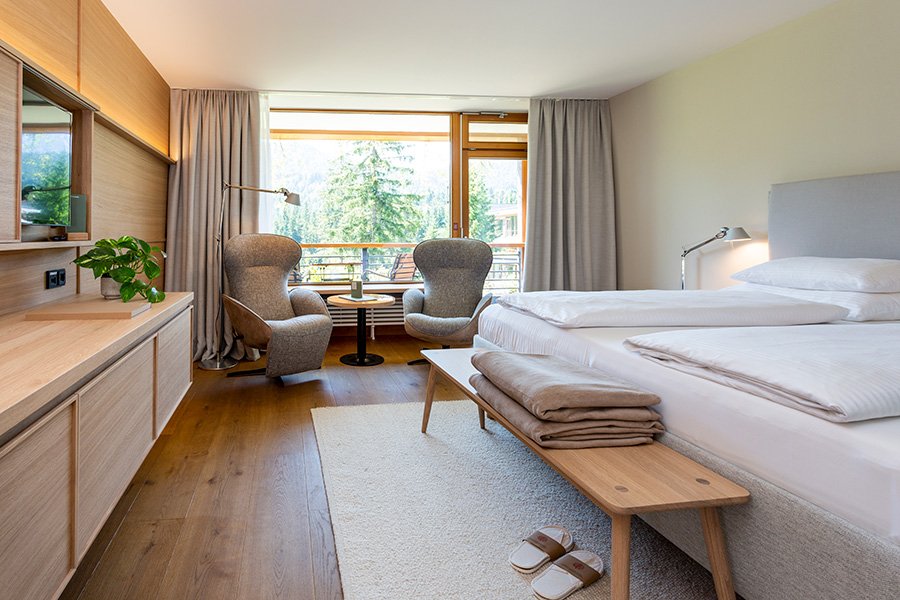
Hotel room layouts vary depending on room category and available square footage. Designing within these limits requires smart planning rather than simply adding more furniture.
Common hotel room types include:
- Standard Rooms:
Typically the most compact, these rooms focus on essentials—bed, bedside tables, wardrobe, desk, and bathroom. Efficient circulation space is critical. - Deluxe Rooms:
Slightly larger, allowing for seating areas, larger desks, or upgraded storage solutions. - Suites:
Often include separate living and sleeping areas, requiring clear zoning and coordinated furniture placement. - Accessible Rooms:
Must comply with accessibility standards, featuring wider pathways, adapted bathrooms, and carefully positioned furniture.
No matter the room size, the goal is to avoid overcrowding while maximizing usable space. Custom-sized furniture often plays a major role in achieving this balance, especially in compact urban hotels.
Elements of a Hotel Room Layout
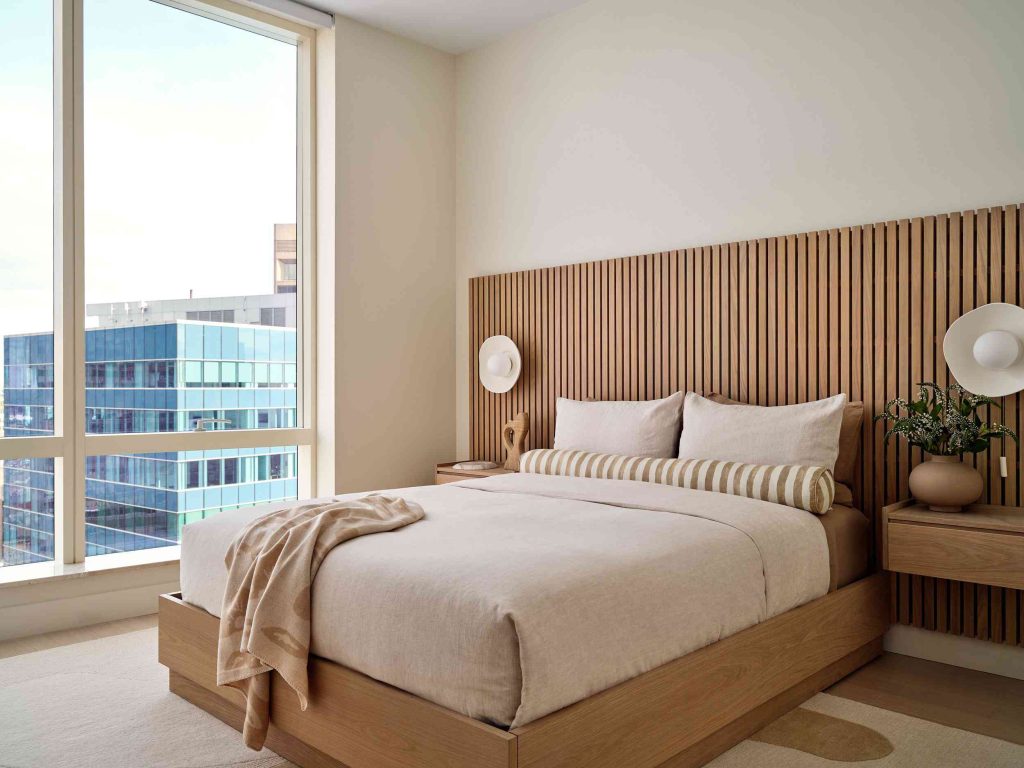
A guest-friendly hotel room layout is built from several key elements working together.
1. Bed Placement
The bed is the visual and functional anchor of the room.
- Position it where it’s immediately visible but not blocking circulation.
- Ensure enough space on both sides for bedside tables and easy access.
- Consider headboard design for integrated lighting and power outlets.
2. Storage and Wardrobe
Guests appreciate uncluttered spaces.
- Built-in wardrobes or open closets can save space.
- Include luggage racks or under-bed storage for short stays.
- Drawers and shelves should be easy to reach without blocking walkways.
3. Work and Seating Area
Many guests expect a place to work or relax.
- A compact desk with good lighting works well for business travelers.
- In leisure-focused hotels, a lounge chair or small sofa adds comfort.
- Furniture should feel light and proportional to the room size.
4. Bathroom Layout
A well-planned bathroom enhances the entire room experience.
- Separate wet and dry areas when possible.
- Ensure clear access from the sleeping area without disrupting privacy.
- Durable, easy-to-clean materials are essential for long-term maintenance.
5. Lighting and Power Access
Lighting defines mood and usability.
- Combine ambient, task, and accent lighting.
- Provide accessible power outlets near the bed, desk, and seating areas.
- Thoughtful lighting placement can make smaller rooms feel more spacious.
6. Circulation and Flow
Good layouts allow guests to move naturally.
- Avoid tight corners and blocked pathways.
- Keep clear routes from entrance to bed, bathroom, and window.
- Furniture edges and spacing should feel intentional, not accidental.
Conclusion
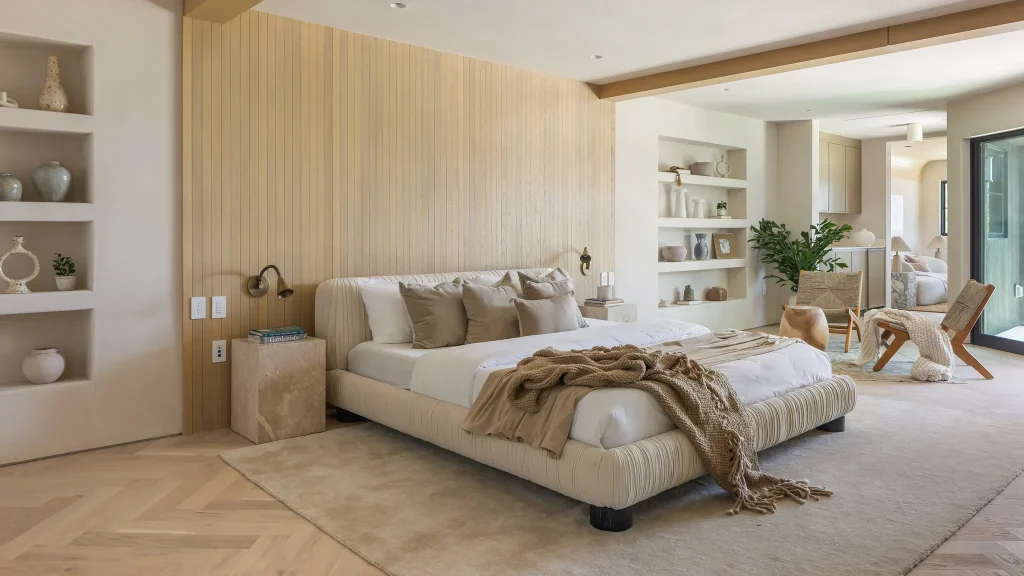
A great hotel room layout is not about luxury alone—it’s about thoughtful design that puts the guest first. By understanding guest needs, selecting the right room types, and carefully planning furniture placement, hotels can create spaces that feel comfortable, functional, and memorable.
For developers and hotel owners seeking reliable support in this process, working with an experienced furniture manufacturer makes a real difference. Founded in 2004, Assomsen Furniture is a professional manufacturer of bespoke furniture for hotels and apartments. With over 22 years of industry experience, Assomsen supports developers, hotel owners, and designers with cost-effective, tailor-made furniture solutions that align seamlessly with room layouts and brand positioning.
If you’re planning a new hotel project or a renovation and want furniture that truly fits your room design, you can reach the Assomsen team at assomsenhotelfurniture@gmail.com for more information.