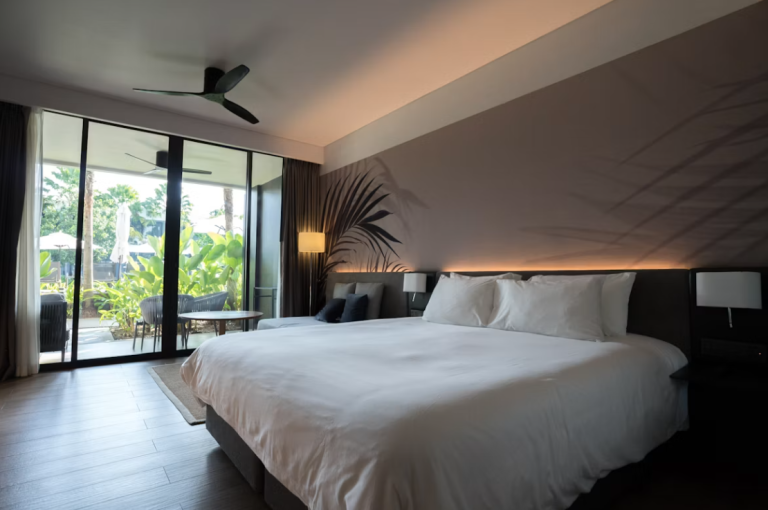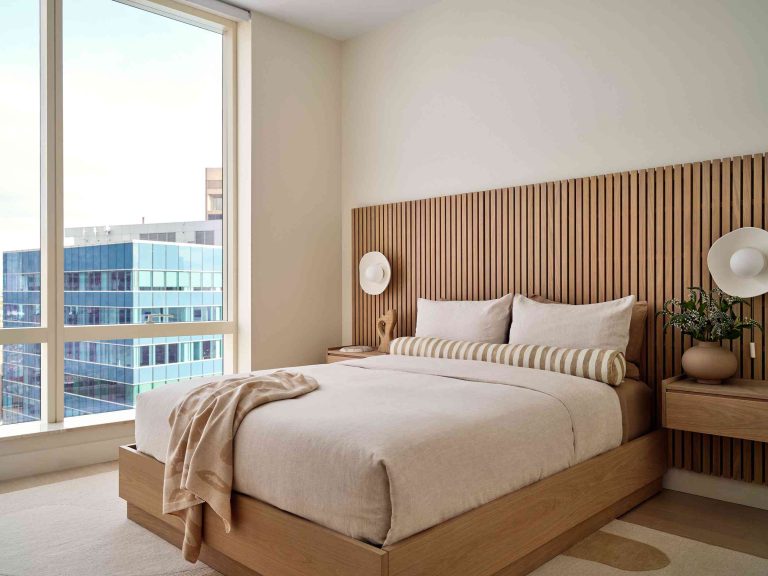
Have you ever stayed in a hotel and wondered why the bed feels noticeably more comfortable than the one at home? It’s not just imagination—many luxury and even mid-range hotel beds are designed using a very deliberate combination of materials, structure, and psychology.
Behind the signature “hotel sleep experience” lies a mix of premium bedding systems, professional design standards, and carefully controlled maintenance routines. Let’s uncover the real reasons.
1. Hotels Use Professionally Engineered Sleep Systems
Unlike typical home setups where a mattress is chosen individually, a hotel bed is usually part of a full sleep system:
- High-quality mattress core (often pocket springs or hybrid foam)
- Supportive foundation or box spring
- Pillow-top cushioning layer
- Reinforced bed frame for stability
This system is designed to distribute body weight evenly and reduce pressure points, which is key to that “floating” comfort feeling.
2. The Famous “Hotel Mattress Feel” Comes From Pillow Tops
One of the biggest secrets is the pillow-top layer.
Hotels typically use:
- Extra foam padding on top of the mattress
- Soft but supportive surface materials
- Breathable fabrics for temperature control
This creates a balance between softness and support—soft enough to feel luxurious, but firm enough to avoid back pain.
3. High Thread Count Bedding Makes a Big Difference
Hotel sheets feel smoother because they are often:
- 300–800 thread count cotton or cotton blends
- Professionally pressed and tightly fitted
- Designed for durability and repeated washing
The crisp, cool sensation you feel is not accidental—it is engineered for a premium sensory experience.
4. Perfectly Balanced Firmness (Not Too Soft, Not Too Hard)
Hotels aim to satisfy the widest range of guests. That’s why hotel beds are usually:
- Medium-firm in support
- Slightly cushioned on top
- Resistant to sagging over time
This “universal comfort” approach ensures most guests wake up without stiffness or discomfort.
5. Professional Maintenance Keeps Beds Like New
Another overlooked factor is upkeep.
Hotel beds are:
- Frequently rotated or replaced
- Protected with mattress toppers and covers
- Cleaned and sanitized regularly
This prevents sagging, dust buildup, and uneven wear—problems that often reduce comfort in home beds over time.
6. Layered Pillows and Bedding Design
A typical hotel bed is not just a mattress—it’s a complete sleep setup:
- Multiple pillows (soft + firm combinations)
- Lightweight yet warm duvets
- Breathable mattress protectors
Each layer contributes to a “cloud-like” sleeping experience.
7. Psychological Comfort Matters Too
Comfort is not only physical. Hotels carefully design the sleep environment:
- Neutral, calming color schemes
- Minimal visual clutter
- Soft lighting
- Quiet room acoustics
This creates a mental association with relaxation, which enhances perceived comfort.
8. Custom Manufacturing Makes Hotel Beds Consistent
Behind many hotel sleep systems are specialized manufacturers like Assomsen Furniture, a China-based factory offering custom hotel furniture and bedding solutions.
We design and produce:
- Hotel bed frames
- Upholstered headboards
- Customized mattress systems
- Full room furniture packages
With a focus on cost-effective production and tailored designs, we help hotels achieve consistent comfort standards across all rooms.
Contact: assomsenhotelfurniture@gmail.com
Final Thoughts
Hotel beds feel more comfortable because they are carefully engineered systems—not just mattresses. From layered cushioning and premium fabrics to strict maintenance and environmental design, every detail is optimized for sleep quality.
The good news? Many of these features can be replicated at home or in hospitality projects with the right supplier and design approach.
If you are developing or upgrading a hotel project, investing in a professional-grade sleep system is one of the most effective ways to improve guest satisfaction.