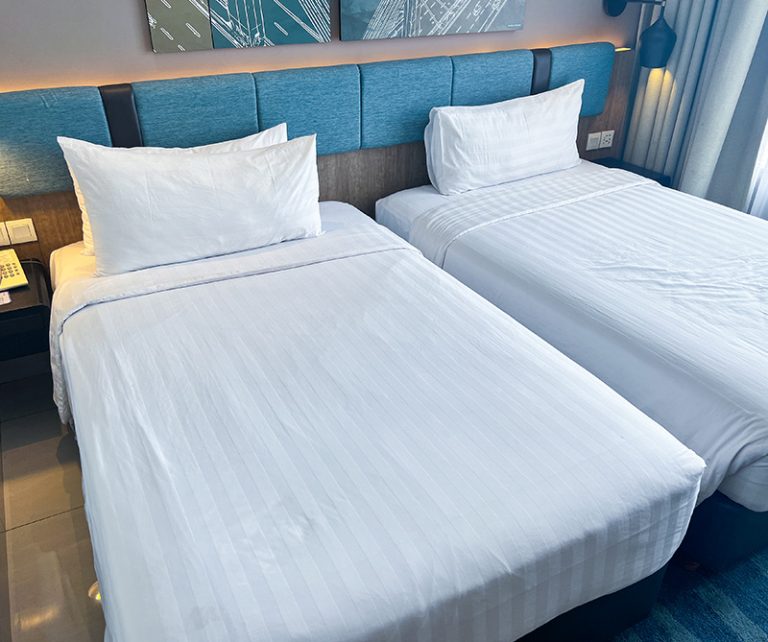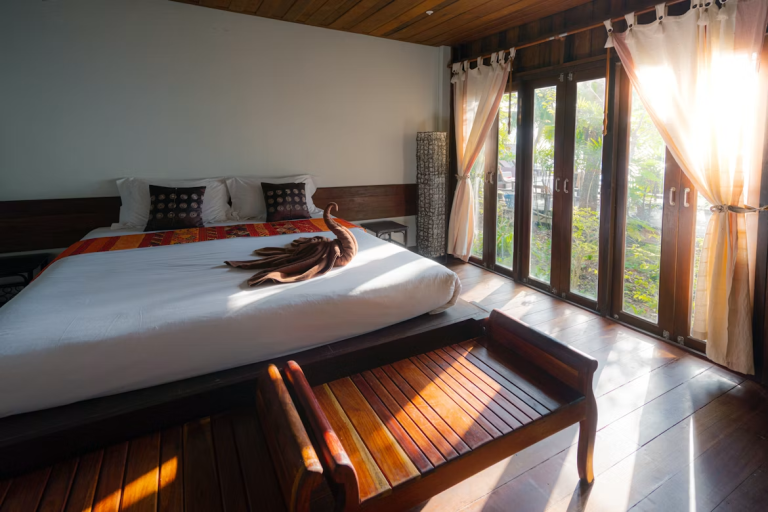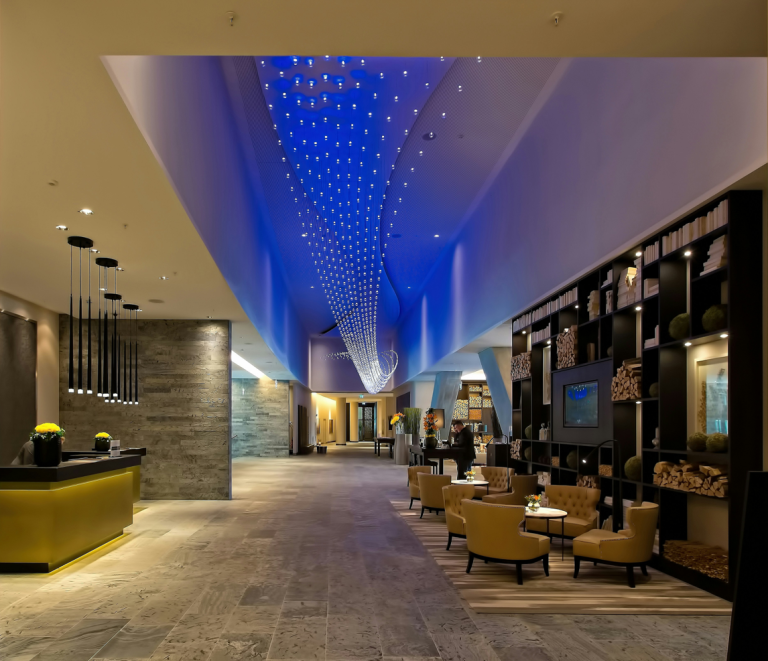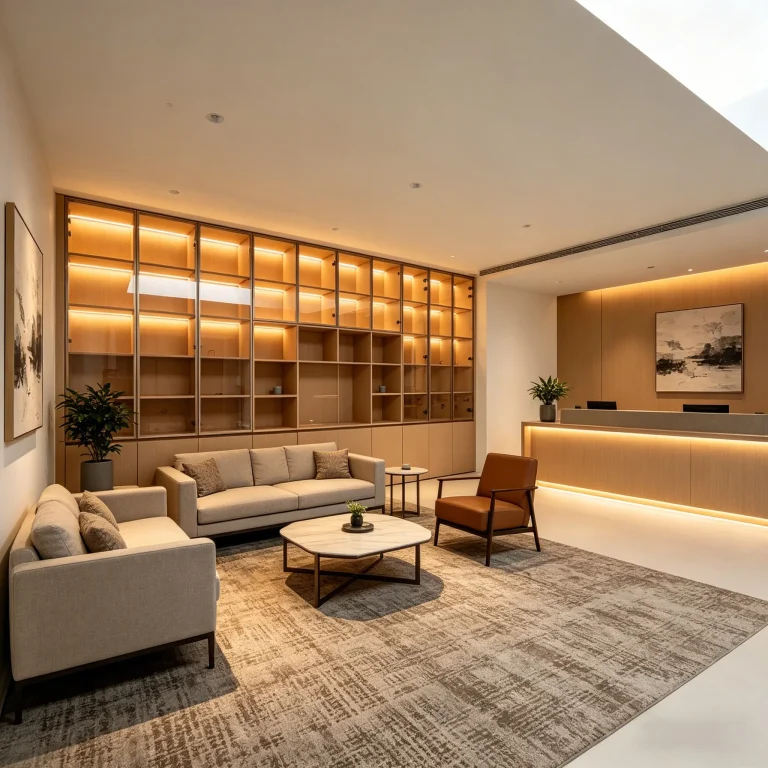
Hotel interior design is more than creating beautiful spaces—it shapes the guest experience, strengthens brand identity, and influences customer satisfaction. From the moment guests enter the lobby to the time they check out, every design element contributes to their overall impression of the property.
Whether you’re designing a boutique hotel, luxury resort, business hotel, or serviced apartment, thoughtful interior design helps improve functionality, comfort, and operational efficiency.
At Assomsen Furniture, we specialize in custom hospitality furniture for hotels and commercial projects worldwide. This guide explores the fundamental principles of hotel interior design, current design trends, and practical furniture selection tips to help you create memorable hospitality spaces.
Hotel Interior Design at a Glance
| Aspect | Key Considerations |
|---|---|
| Design Goals | Guest comfort, functionality, brand identity |
| Space Planning | Efficient layouts, smooth guest flow, optimized storage |
| Color Palette | Match brand positioning and create the desired atmosphere |
| Materials & Finishes | Durable, easy to maintain, suitable for commercial use |
| Furniture | Comfortable, commercial-grade, customized for each space |
| Lighting | Combine ambient, task, and accent lighting |
| Current Trends | Sustainable design, biophilic elements, smart technology, flexible spaces |
Why Hotel Interior Design Matters
Good interior design is about balancing aesthetics with functionality.
A well-designed hotel can:
- Create memorable first impressions
- Improve guest comfort
- Strengthen brand recognition
- Increase positive reviews
- Support efficient daily operations
- Extend the lifespan of furniture and interiors
Every area—from the lobby to the guest room—should deliver a consistent and welcoming experience.
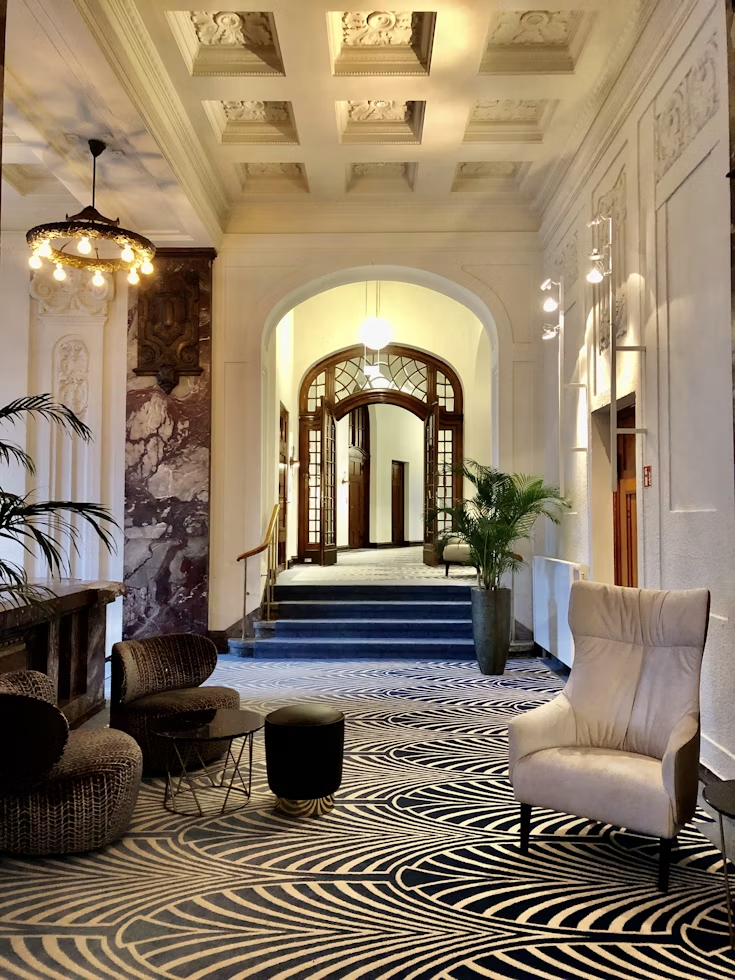
Principles of Hotel Interior Design
Prioritize Guest Comfort
Guest comfort should always come first.
Comfortable furniture, intuitive room layouts, adequate lighting, and quality materials all contribute to a relaxing stay. Small details, such as accessible power outlets, sufficient storage, and ergonomic seating, can significantly improve the guest experience.
Maintain a Consistent Brand Identity
Every hotel has its own personality.
A luxury resort may emphasize elegant materials and spacious interiors, while a boutique hotel might focus on unique local character. Maintaining consistency in colors, furniture, lighting, and decorative elements helps reinforce the hotel’s brand throughout the property.
Optimize Space Planning
Effective space planning improves both guest satisfaction and staff efficiency.
Key considerations include:
- Comfortable circulation paths
- Functional furniture layouts
- Efficient storage solutions
- Flexible public spaces
- Easy access to hotel facilities
Well-planned spaces feel larger, more organized, and easier to use.
Balance Style and Durability
Hotel interiors experience constant use, making durability just as important as appearance.
Choose commercial-grade furniture and finishes that can withstand daily wear while maintaining their visual appeal over time.
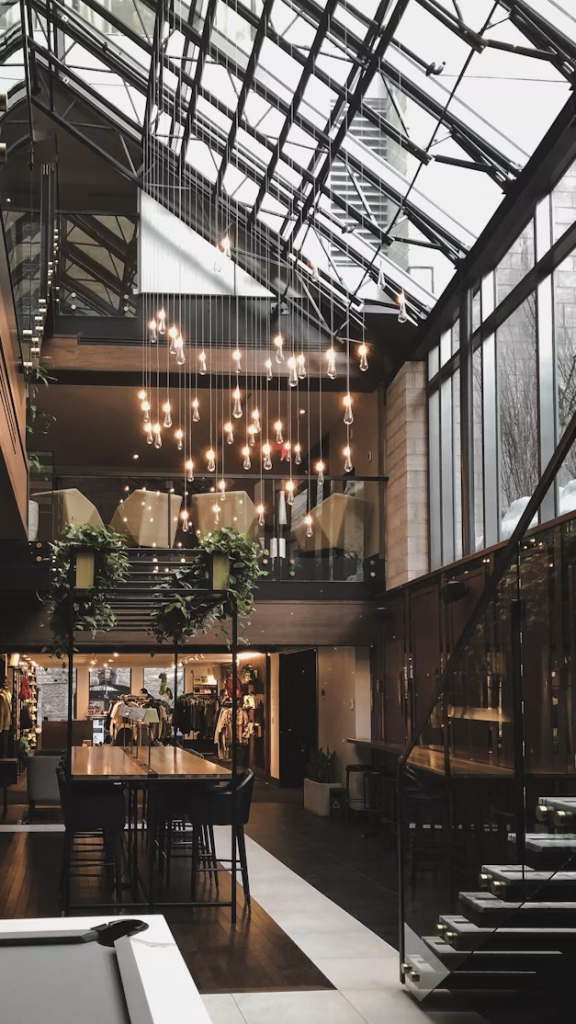
Interior Design Trends for Modern Hotels
Hotel design continues to evolve as guest expectations change. The following trends are widely adopted across the hospitality industry.
Warm, Natural Materials
Wood finishes, textured fabrics, and stone-inspired surfaces create inviting interiors that feel comfortable and timeless.
Flexible Public Spaces
Modern lobbies often serve multiple functions, acting as reception areas, lounges, meeting spaces, and cafés.
Flexible furniture arrangements allow hotels to adapt these spaces throughout the day.
Sustainable Design
Sustainability is becoming a key consideration in hotel design.
Many hotels now choose:
- Long-lasting furniture
- Responsibly sourced materials
- Energy-efficient lighting
- Furniture designed for easy maintenance and repair
These choices help reduce operating costs while supporting environmental goals.
Smart Guest Rooms
Technology has become an important part of the guest experience.
Many new hotels integrate:
- USB and wireless charging
- Smart lighting
- Digital room controls
- Integrated workspaces
Furniture should accommodate these technologies without compromising aesthetics.
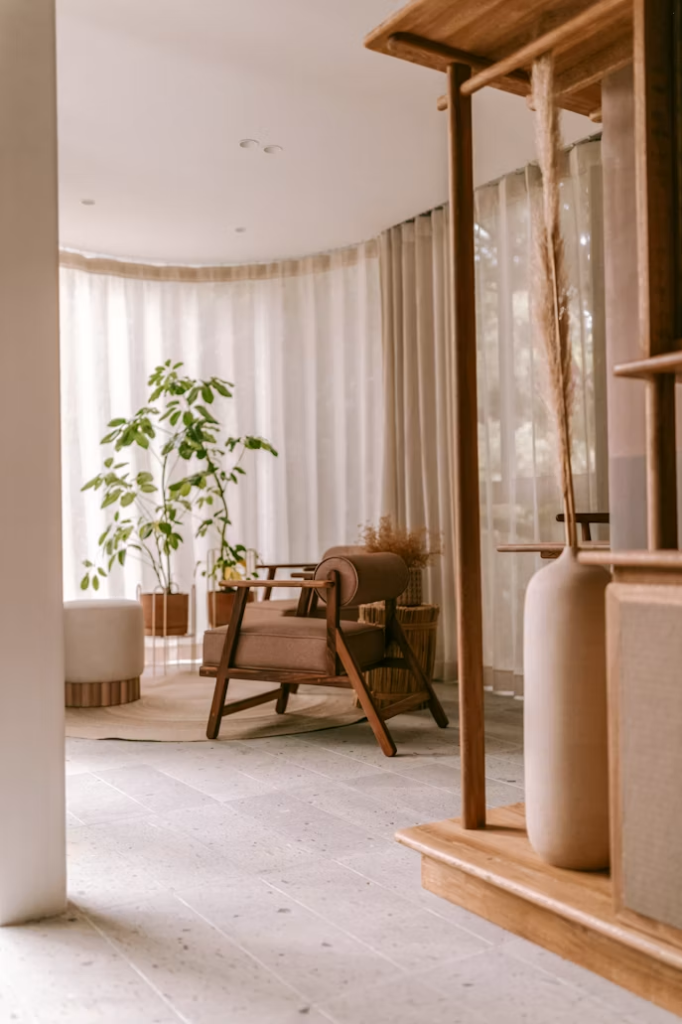
Furniture Selection for Different Hotel Areas
Different hotel spaces require different furniture solutions.
| Hotel Area | Essential Furniture |
| Guest Room | Bed, bedside tables, wardrobe, desk, chair, TV cabinet |
| Reception | Reception desk, waiting chairs, display units |
| Lobby | Lounge seating, coffee tables, decorative cabinets |
| Restaurant | Dining tables, dining chairs, buffet stations |
| Bar & Lounge | Bar counter, bar stools, lounge chairs, display cabinets |
| Meeting Room | Conference tables, meeting chairs, storage cabinets |
| Outdoor Area | Weather-resistant tables, chairs, loungers |
Selecting furniture specifically designed for each area improves both functionality and guest comfort.
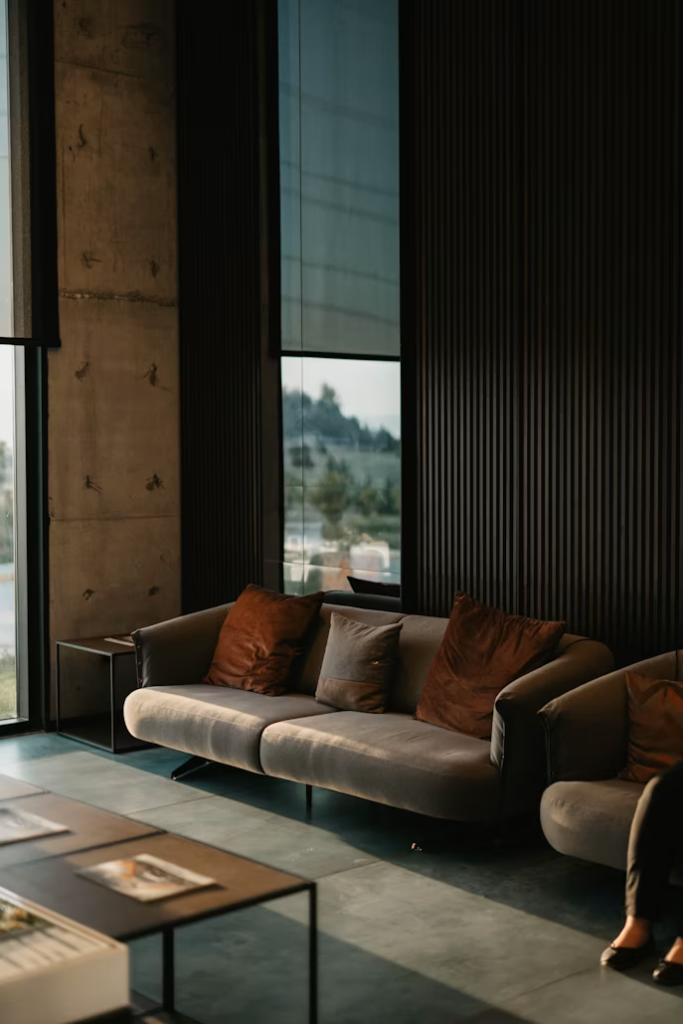
Tips for Choosing Hotel Furniture
When investing in hotel furniture, consider more than appearance.
Look for furniture that offers:
- Commercial-grade durability
- Comfortable and ergonomic design
- Easy maintenance
- Space-efficient layouts
- Custom sizes for different room types
- Consistent finishes across the property
Custom furniture is often the best solution for hotels with unique layouts or strong brand identities.
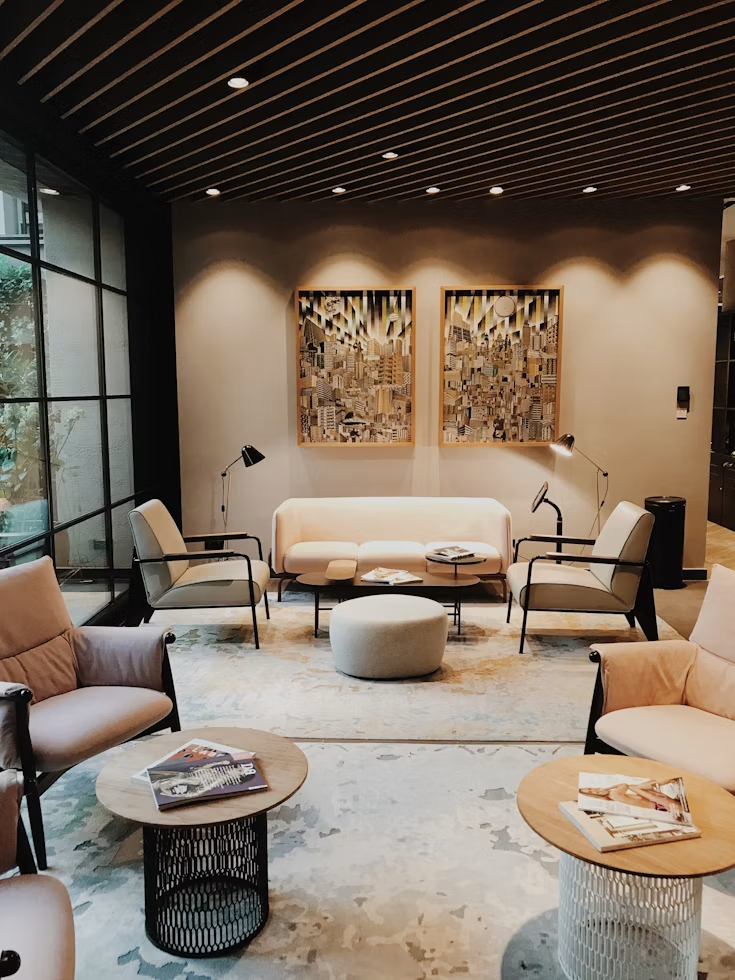
Why Custom Furniture Makes a Difference
Every hospitality project has different operational requirements and design goals.
Custom furniture allows hotels to:
- Maximize available space
- Create a unique guest experience
- Match brand standards
- Improve storage and functionality
- Maintain design consistency throughout the property
It also provides greater flexibility during renovations, where existing layouts may require furniture with non-standard dimensions.
Custom Hotel Furniture by Assomsen Furniture
At Assomsen Furniture, we manufacture custom furniture for hotels, resorts, serviced apartments, and other hospitality projects.
Our product range includes:
- Hotel beds and headboards
- Bedside tables
- Wardrobes
- Writing desks
- Bathroom vanities
- Reception desks
- Lobby furniture
- Restaurant furniture
- Bar counters and back bar cabinets
We offer customized dimensions, finishes, materials, and furniture configurations to meet the specific needs of each project. Whether you’re developing a new hotel or renovating an existing property, our experienced team works closely with designers, architects, contractors, and hotel owners to deliver furniture that combines style, durability, and functionality.
Frequently Asked Questions
1. What are the most important principles of hotel interior design?
The key principles include guest comfort, functional space planning, consistent brand identity, durable materials, and well-designed furniture that supports both aesthetics and daily operations.
2. What are the latest trends in hotel interior design?
Popular trends include sustainable design, flexible public spaces, biophilic elements, smart guest rooms, warm natural materials, and multifunctional furniture.
3. How does furniture affect hotel interior design?
Furniture defines the character of each space while providing comfort and functionality. Well-designed furniture improves guest satisfaction, supports hotel operations, and reinforces the property’s overall design concept.
4. Should hotels choose custom furniture?
Custom furniture is an excellent option for hotels because it allows designers to optimize layouts, maintain consistent branding, and create spaces tailored to specific room types and operational requirements.
5. How often should hotel interiors be renovated?
Most hotels refresh guest rooms and public spaces every 5–10 years, although high-traffic areas may require more frequent updates to maintain appearance and functionality.
Conclusion
Successful hotel interior design combines thoughtful planning, functional layouts, and carefully selected furniture to create spaces that are both beautiful and practical. By focusing on guest comfort, brand consistency, and long-term durability, hotels can enhance the overall guest experience while improving operational efficiency.
At Assomsen Furniture, we provide custom hospitality furniture solutions for hotels, resorts, serviced apartments, and commercial projects worldwide. From guest rooms and reception areas to restaurants and bars, we help bring your design vision to life with furniture tailored to your brand and project requirements.
If you’re planning a hotel interior design project or renovation, contact Assomsen Furniture at assomsenhotelfurniture@gmail.com. Our team is ready to help you create stylish, durable, and functional hospitality spaces.