The lobby is the most important public space in any hotel. It is where guests arrive, check in, wait, meet others, and form their first impression of the entire property. In the hotel sector, a well-designed lobby is not just decoration—it is a strategic space that influences guest satisfaction, brand perception, and even online reviews.
Below are ten practical tips to help you design a hotel lobby that is both functional and memorable.
1. Define a Clear Design Concept
A strong lobby starts with a clear concept. Whether your hotel is luxury, boutique, business, or resort-style, the design should reflect that identity consistently.
Use:
- A unified color palette
- Consistent materials (stone, wood, metal, fabric)
- A clear architectural style
This ensures guests immediately understand the brand positioning.
2. Prioritize a Strong Reception Area
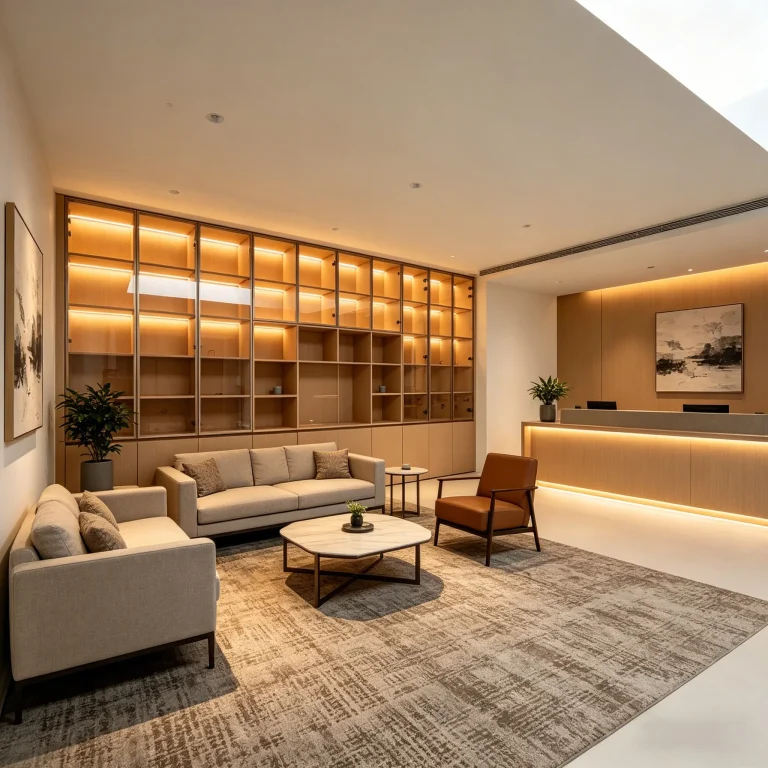
The reception desk is the focal point of the lobby.
Good reception design should include:
- Clear visibility from the entrance
- Ergonomic working height for staff
- Durable surface materials
- Integrated lighting for visibility and branding
A well-designed reception area improves both efficiency and guest experience.
3. Use Comfortable and Durable Seating
Lobby seating must balance comfort with high durability due to constant use.
Recommended furniture includes:
- Lounge sofas
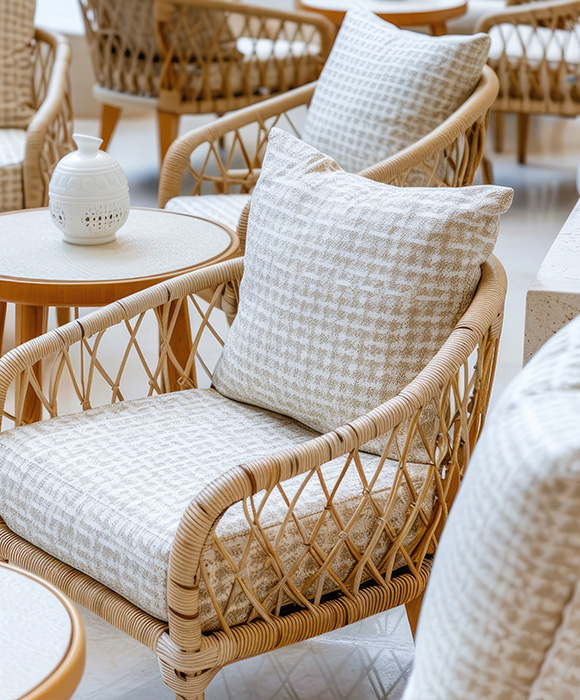
- Accent chairs
- Modular seating systems
- Coffee tables with stable structure
Soft but structured seating encourages guests to relax and stay longer.
4. Create Functional Traffic Flow
A good lobby is easy to navigate.
Key considerations:
- Clear paths from entrance to reception
- Separation between waiting and walking areas
- Avoid overcrowding furniture near entrances
Good flow reduces confusion and improves guest comfort.
5. Layer Lighting for Atmosphere
Lighting defines mood more than any other design element.
Use multiple layers:
- Ambient lighting for overall brightness
- Accent lighting for artwork or walls
- Task lighting at reception desks
Warm, balanced lighting creates a welcoming atmosphere.
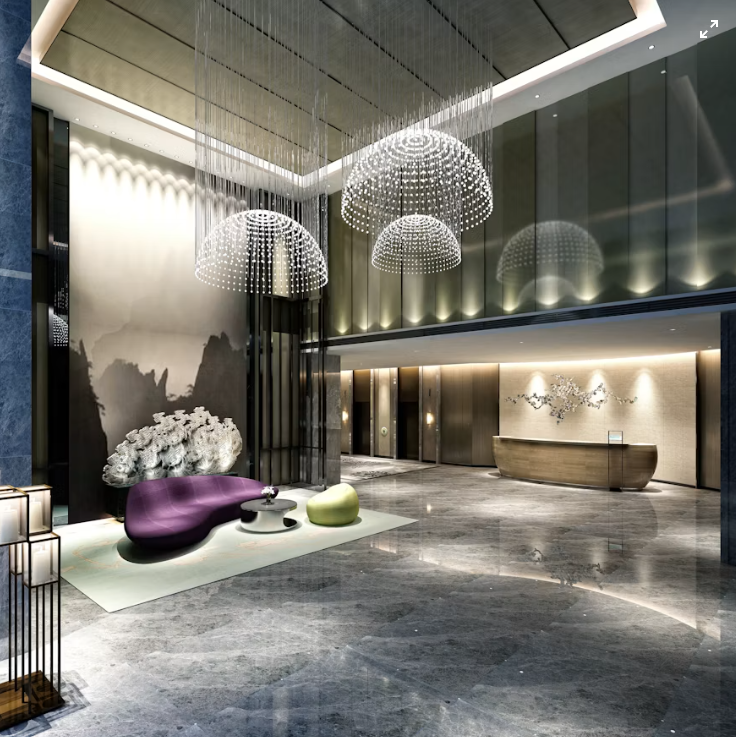
6. Incorporate Statement Furniture or Art
A lobby should have at least one visual focal point.
This can be:
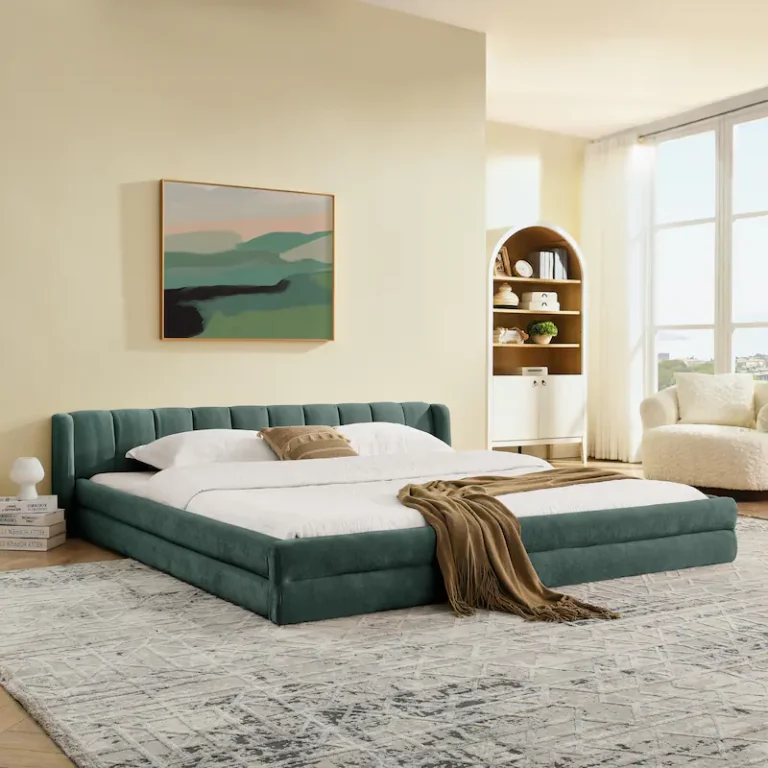
- A sculptural sofa
- A feature chandelier
- A large artwork installation
- A custom-designed reception counter
This creates a “wow” factor and improves brand recall.
7. Choose High-Performance Materials
Lobby furniture and finishes must withstand heavy daily use.
Best material choices include:
- Commercial-grade upholstery
- Scratch-resistant stone or laminate surfaces
- Solid wood or reinforced metal frames
Durability ensures long-term cost efficiency.
8. Integrate Local or Cultural Elements
A memorable lobby often reflects its location.
This can include:
- Local artwork or crafts
- Regional textures and materials
- Cultural design motifs
This creates a unique identity that guests remember.
9. Add Functional Waiting and Work Zones
Modern guests often use lobby spaces for more than waiting.
Consider adding:
- Small workstations
- Charging areas
- Quiet seating corners
- Café-style seating zones
This increases usability and guest satisfaction.
10. Work with a Professional Hotel Furniture Manufacturer
Custom furniture plays a key role in achieving both design consistency and durability.
Assomsen Furniture is a China-based factory specializing in custom hotel furniture solutions. We provide cost-effective manufacturing and tailored designs for global hospitality projects, including complete lobby furniture systems.
We supply:
- Reception desks
- Lounge seating systems
- Custom coffee tables and accent furniture
- Full lobby furniture packages
Contact us: assomsenhotelfurniture@gmail.com
Final Thoughts
A hotel lobby is more than an entrance—it is the emotional and functional center of the entire property. By focusing on layout, comfort, lighting, materials, and branding, designers can create a space that leaves a lasting impression.
When carefully planned and professionally furnished, a lobby becomes a powerful tool for elevating the entire guest experience in the modern hotel market.