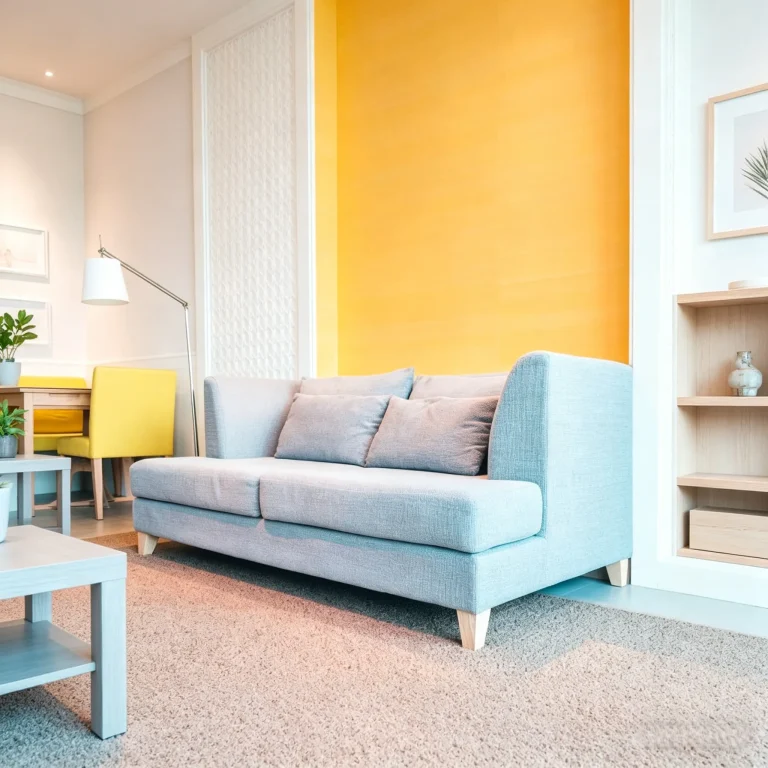
When selecting a sofa, fabric choice is just as important as design and structure. Among the most popular upholstery materials today are chenille and linen. Both offer unique textures, aesthetics, and performance characteristics, but they suit very different lifestyles and interior styles.
Understanding the differences between a chenille sofa and a linen sofa will help you make a more informed decision for homes, hotels, and commercial spaces.
What Is a Chenille Sofa?
Chenille is a soft, plush fabric known for its velvety texture and slightly fuzzy surface. The name “chenille” comes from the French word for “caterpillar,” referring to the fabric’s fuzzy yarn appearance.
Key Features of Chenille Sofa
- Soft, thick, and velvety texture
- High comfort and cushioning feel
- Warm and cozy appearance
- Good durability with tightly woven fibers
- Slightly reflective surface depending on lighting
Advantages
- Extremely comfortable for lounging
- Adds a luxurious and cozy feel to interiors
- Ideal for cold climates or cozy living rooms
- Good resistance to wear when high-quality chenille is used
Potential Drawbacks
- Can attract dust and pet hair more easily
- May show pressure marks over time
- Not as breathable as natural fabrics
Best Applications
Chenille sofas are commonly used in:
- Living rooms focused on comfort
- Hotel suites requiring a warm atmosphere
- Home theaters or relaxation spaces
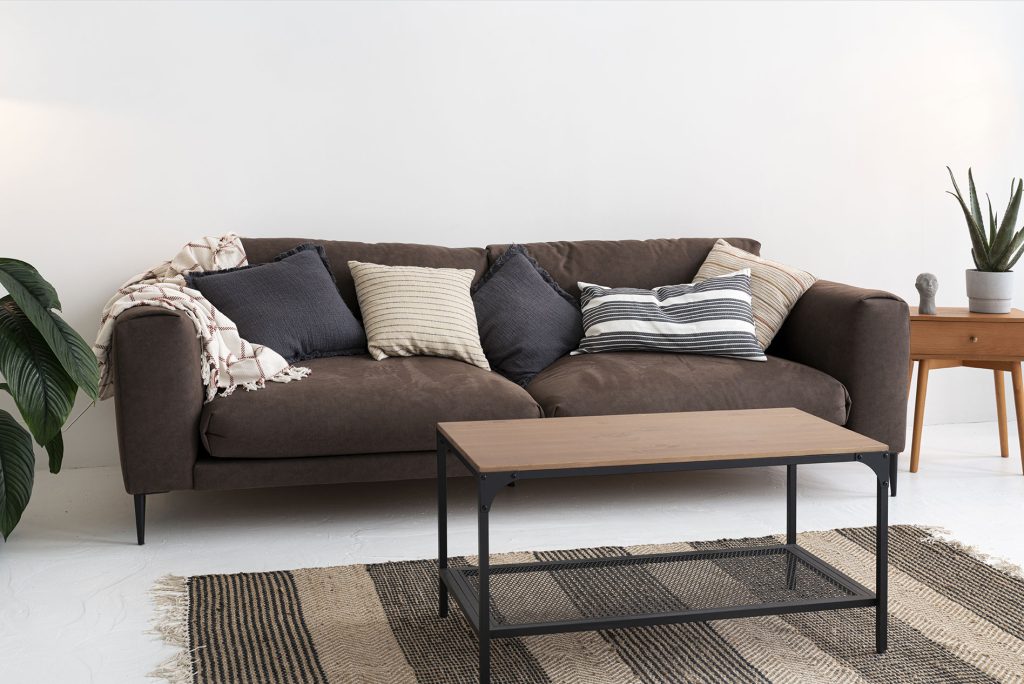
What Is a Linen Sofa?
Linen is a natural fabric made from flax fibers. It is known for its breathable texture, natural look, and lightweight feel. Linen sofas are popular in modern, minimalist, and coastal interior designs.
Key Features of Linen Sofa
- Lightweight and breathable fabric
- Natural matte texture
- Crisp, elegant appearance
- Eco-friendly material (natural flax fiber)
- Softens over time with use
Advantages
- Highly breathable and cool to sit on
- Perfect for warm climates
- Timeless, natural aesthetic
- Environmentally friendly and sustainable option
- Works well with modern and minimalist interiors
Potential Drawbacks
- Wrinkles easily
- Can stain more easily if not treated
- Less plush than chenille
- Requires more maintenance for long-term neat appearance
Best Applications
Linen sofas are commonly used in:
- Modern apartments and minimalist homes
- Coastal or Scandinavian-style interiors
- Boutique hotels and stylish lounges
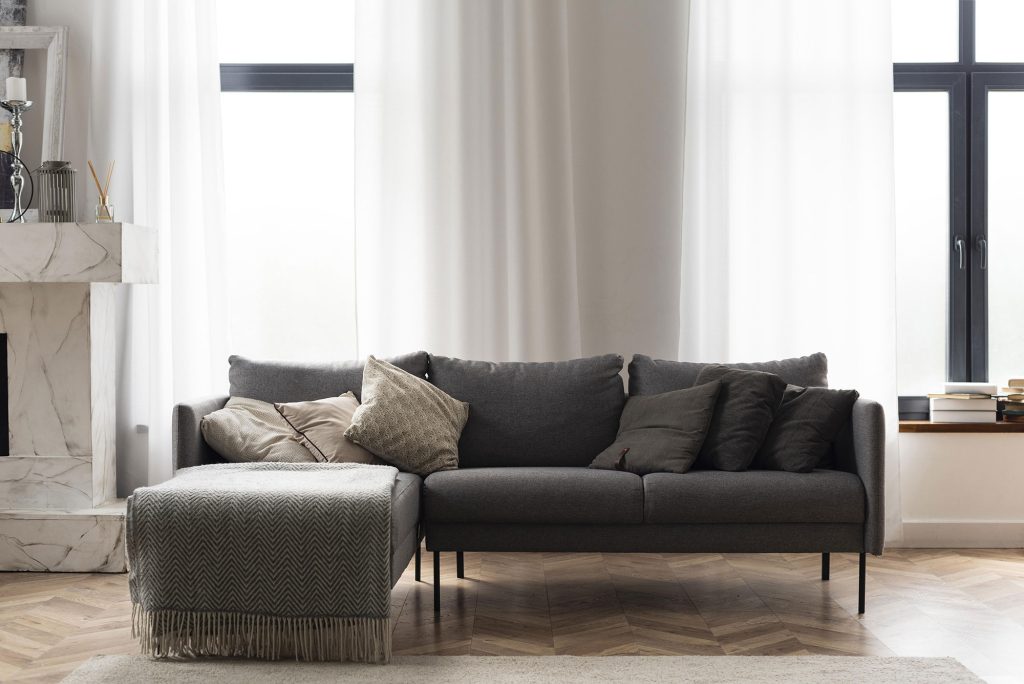
Chenille vs Linen Sofa: Key Differences
| Feature | Chenille Sofa | Linen Sofa |
|---|---|---|
| Texture | Soft, plush, velvety | Smooth, natural, slightly coarse |
| Comfort Level | Very high, cozy feel | Moderate, breathable feel |
| Appearance | Luxurious and warm | Natural and minimal |
| Climate Suitability | Cooler climates | Warm or humid climates |
| Maintenance | Medium (dust attraction) | Medium to high (wrinkles, stains) |
| Durability | High (quality chenille) | Good but depends on weave quality |
Comfort Comparison
Chenille Comfort
Chenille sofas prioritize softness and relaxation. They feel cushioned and warm, making them ideal for long periods of sitting or lounging.
Linen Comfort
Linen sofas provide a cool, airy seating experience. They are less plush but feel fresher, especially in warmer environments.
Style and Design Impact
- Chenille sofas create a more luxurious, cozy, and traditional atmosphere.
- Linen sofas support a clean, modern, and natural design aesthetic.
If your interior design leans toward elegance and comfort, chenille is a strong choice. If you prefer simplicity and minimalism, linen is more suitable.
Which One Should You Choose?
Choose Chenille If You Want:
- Maximum comfort and softness
- A warm and cozy atmosphere
- A luxury or classic interior style
- Furniture for relaxation-focused spaces
Choose Linen If You Want:
- A modern and natural look
- Breathable and lightweight seating
- A minimalist or Scandinavian design
- Furniture for warm climates or airy spaces
Custom Sofa Manufacturing Solutions
Assomsen Furniture is a China-based furniture manufacturer specializing in custom sofas, hotel furniture, and residential seating solutions. We provide cost-effective production, OEM/ODM customization, and flexible material options including chenille, linen, leather, and more.
For inquiries and custom projects, please contact:
assomsenhotelfurniture@gmail.com