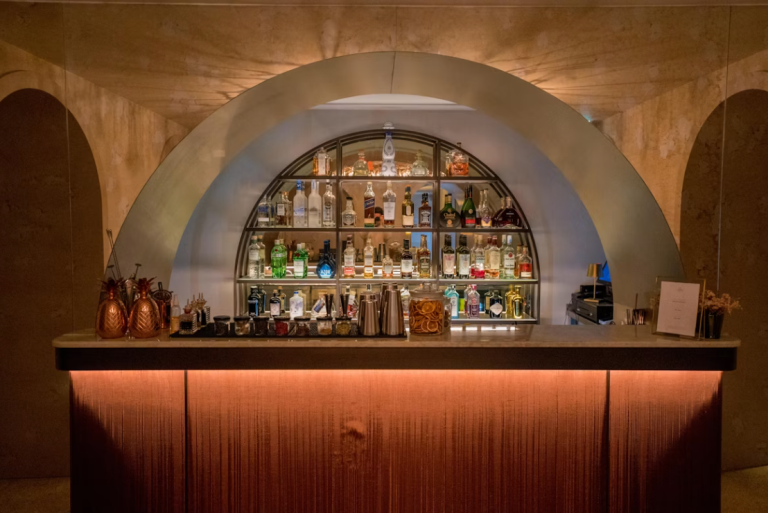
Hotel furniture plays an important role in guest comfort, interior design, and overall brand image. Over time, even high-quality furniture can become outdated, damaged, or less functional due to daily use. Replacing hotel furniture at the right time can improve guest satisfaction, enhance operational efficiency, and create a refreshed hospitality experience.
This guide explains when to replace hotel furniture, what items should be upgraded, and how to plan a successful furniture replacement project.
When Should Hotels Replace Furniture?
There is no fixed replacement schedule for every hotel, but most properties evaluate furniture upgrades every 5–10 years depending on usage, quality, and maintenance.
Common signs that furniture needs replacement include:
- Visible scratches, cracks, stains, or worn surfaces
- Loose structures or unstable frames
- Outdated designs that no longer match the hotel style
- Reduced guest comfort
- Difficult maintenance or frequent repairs
- Changes in hotel branding or target market
Regular furniture inspections help hotel operators identify problems before they affect guest reviews and hotel reputation.

Key Hotel Furniture Items to Replace
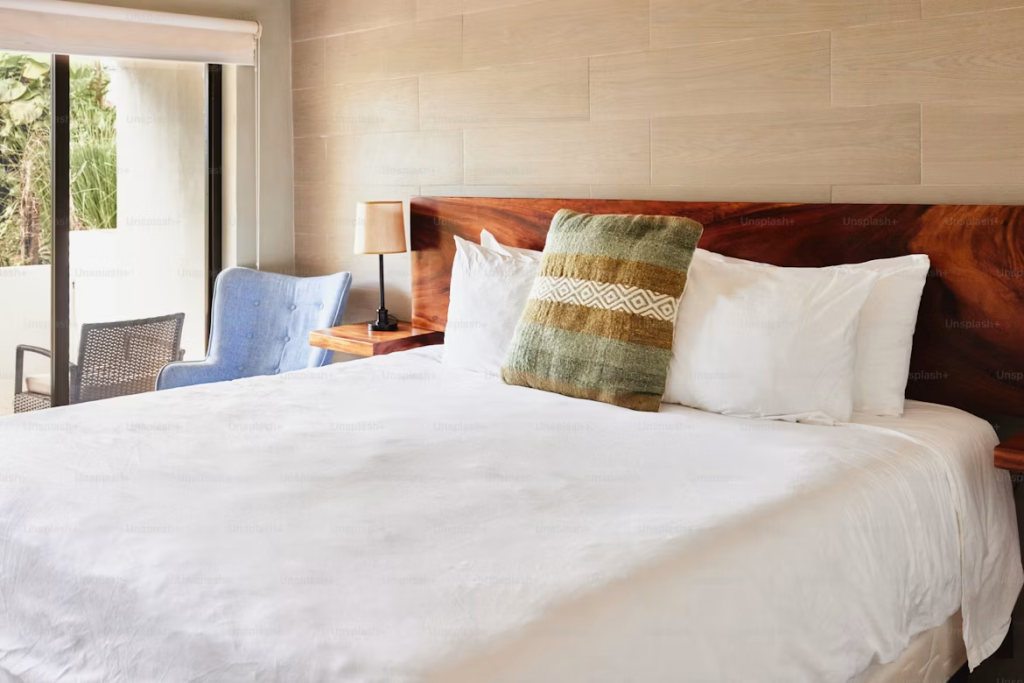
1. Guest Room Beds and Bed Frames
Beds are among the most important furniture pieces in any hotel room. A comfortable and attractive bed directly influences guest satisfaction.
Replacement considerations include:
- Mattress support systems
- Bed frames and headboards
- Upholstery condition
- Design style
- Durability for frequent use
Many hotels choose custom-made bed frames with durable materials, stain-resistant fabrics, and modern designs to improve both appearance and longevity.
2. Wardrobes and Storage Furniture
Hotel wardrobes experience frequent opening and closing, making durability essential. When replacing wardrobes, consider:
- Storage capacity
- Interior organization
- Door hardware quality
- Matching room aesthetics
- Space-saving designs
Modern hotels increasingly use multifunctional storage solutions that combine practicality with elegant design.
3. Bedside Tables and Desks
Small furniture pieces have a strong impact on room functionality. Updated bedside tables and desks can improve guest convenience with features such as:
- Built-in charging ports
- Cable management
- Additional storage
- Modern finishes
These upgrades help hotels meet the expectations of today’s technology-focused travelers.
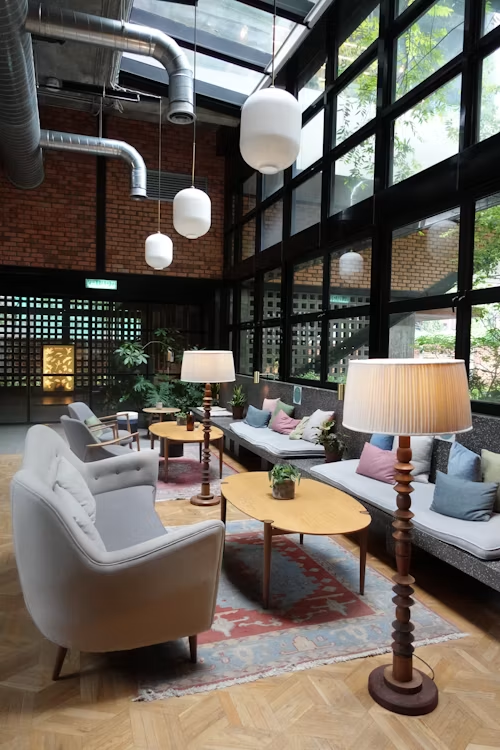
4. Lobby and Public Area Furniture
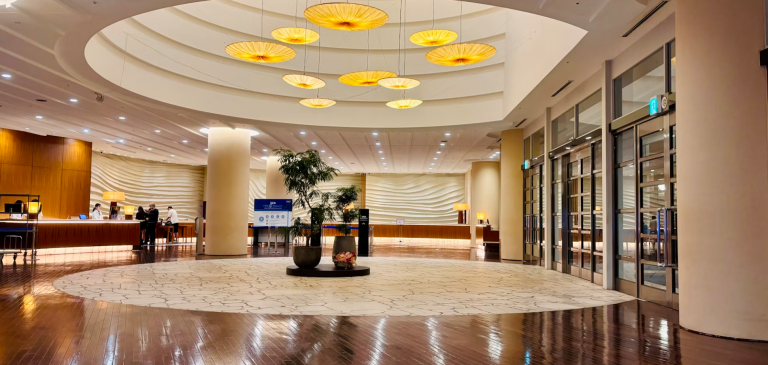
The lobby creates the first impression of a hotel. Replacing outdated sofas, chairs, tables, and reception furniture can significantly improve the guest experience.
Important factors include:
- Comfort
- Durability
- Brand identity
- Easy maintenance
- Visual appeal
How to Plan a Hotel Furniture Replacement Project
1. Evaluate Current Furniture Condition
Before purchasing new furniture, conduct a complete assessment:
- Which items need immediate replacement?
- Which pieces can be repaired or refurbished?
- What design improvements are needed?
- What is the available budget?
A detailed evaluation helps avoid unnecessary expenses.
2. Define Design and Functional Requirements
Hotel furniture should match the property’s positioning and guest expectations.
Consider:
- Hotel category and style
- Room size and layout
- Target customer groups
- Color schemes
- Material preferences
- Maintenance requirements
For example, luxury hotels may focus on custom craftsmanship, while business hotels may prioritize durability and functionality.
3. Choose the Right Furniture Supplier
Working with an experienced hotel furniture manufacturer can simplify the replacement process. Professional suppliers can provide:
- Custom furniture designs
- Material recommendations
- Production solutions
- Quality control
- Bulk project support
Reliable suppliers help ensure consistent quality across hundreds of guest rooms.
4. Plan Replacement Without Disrupting Operations
For operating hotels, furniture replacement should be carefully scheduled.
Common strategies include:
- Renovating rooms in phases
- Upgrading during low seasons
- Preparing installation plans in advance
- Coordinating delivery and assembly timelines
Efficient planning reduces room downtime and protects hotel revenue.
Final Thoughts
Hotel furniture replacement is more than simply changing old items—it is an opportunity to improve guest comfort, refresh the hotel image, and increase long-term property value. By evaluating furniture conditions, selecting durable materials, and partnering with an experienced supplier, hotels can create beautiful, functional spaces that meet modern hospitality standards.
For further questions, please contact assomsenhotelfurniture@gmail.com.